

When the temperature drops in North India, older adults feel it first. Cold mornings stiffen the joints, blood pressure tends to rise, and a simple cough can turn into a chest infection within days. If your parents are 60 or older, winter needs a little more planning than wrapping them in an extra shawl.
This guide covers what actually helps: keeping them warm the right way, what to feed them, how to prevent falls and infections, and which signs mean you should call a doctor straight away.
Quick answer: Good winter care for elderly people means five things. Keep the home warm and well ventilated, dress them in loose layers, give warm nutritious food and enough water, keep them gently active, and watch for warning signs like breathlessness, confusion or chest pain. Seniors with chronic illness or who live alone may need daily support from a trained caregiver.
Why Is Winter Harder on Senior Citizens?
Older bodies lose heat faster and sense cold less sharply, so a senior can get dangerously cold without feeling it. Ageing slows metabolism, thins the fat layer under the skin and weakens circulation.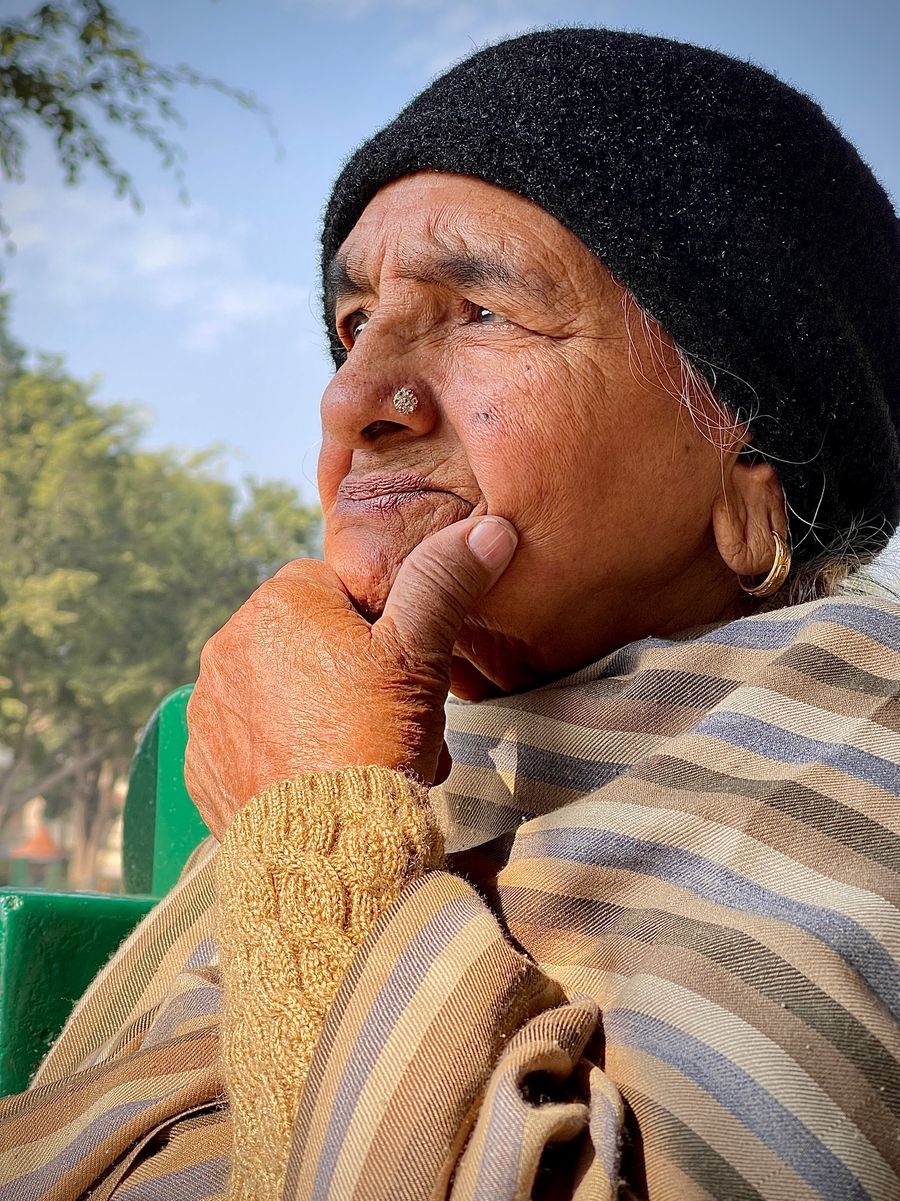
The most common winter problems in old age are:
- Hypothermia: body temperature falling below 35°C, often indoors in an unheated room at night.
- Higher blood pressure and heart strain: cold narrows blood vessels, which makes the heart work harder. Heart attacks and strokes rise in winter.
- Chest infections: flu, pneumonia and bronchitis spread more easily when people stay indoors together.
- Joint pain and stiffness: arthritis usually feels worse in the cold, which makes seniors move less.
- Falls: stiff joints, dim winter light, slippery bathrooms and heavy clothing all raise the risk.
- Dry skin and dehydration: people feel less thirsty in winter and drink less water.
- Low mood: shorter days and fewer outings can bring loneliness and seasonal low mood.
12 Winter Health Tips for Senior Citizens
These tips work for most older adults. If your parent has a heart, lung, kidney or diabetes condition, check any diet or medicine change with their doctor first.
1. Keep the home warm, not stuffy
Aim to keep the main living room and bedroom at about 18°C or warmer, the minimum indoor temperature the WHO recommends in cold weather. Use an oil-filled radiator rather than a coal or wood angithi, which can release carbon monoxide in a closed room. Keep a window slightly open when any heater runs, and never leave one on beside the bed overnight.
2. Dress in loose layers
Several thin layers trap heat better than one heavy sweater. Cover the head, ears, hands and feet, where the body loses heat quickly. Woollen socks with non-slip soles keep feet warm and help prevent falls on cold floors.
3. Serve warm, balanced meals
Give soups, dal, khichdi, seasonal vegetables like carrot, spinach and methi, and fruits like oranges and guava for vitamin C. Add protein at every meal (dal, paneer, eggs, curd) to protect muscle strength. Go easy on fried and very salty winter snacks, especially for seniors with high BP.
4. Make sure they drink enough water
Thirst drops in cold weather, but the body still needs fluids. Offer warm water, herbal tea or soup through the day. Keep a flask by their bed so a warm drink is always within reach.
5. Keep them gently active
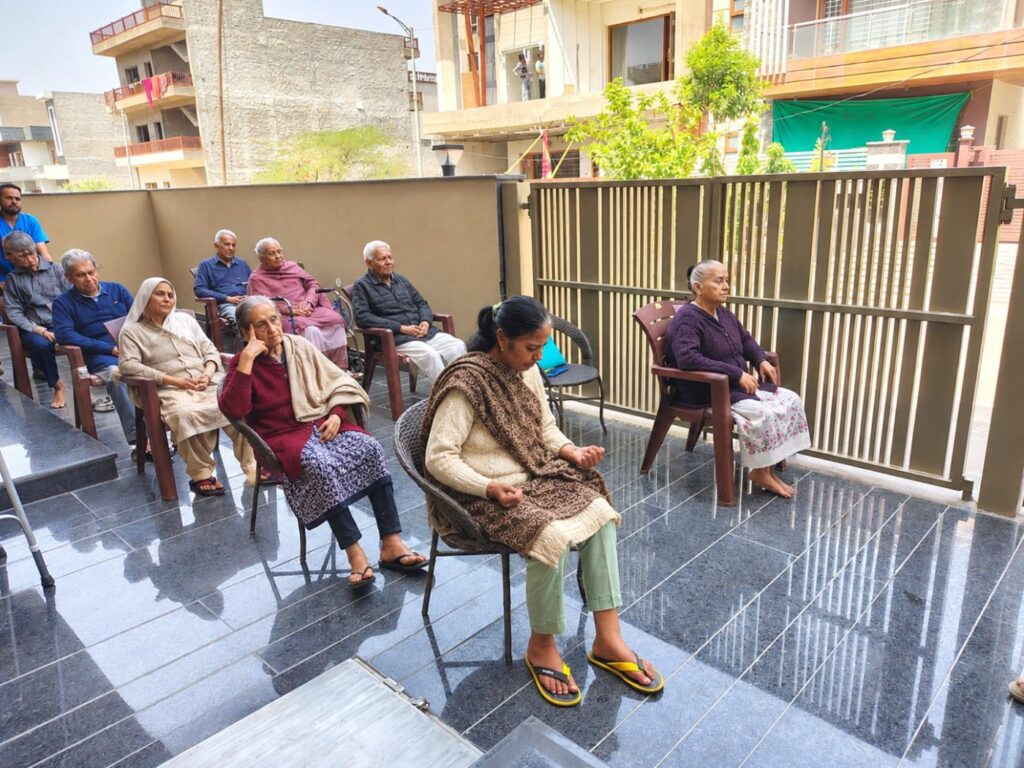
Movement keeps joints flexible and the body warm. Try 20–30 minutes of indoor walking, chair exercises or light stretching daily. Avoid very early morning walks, when it is coldest and smog is often worst; late morning sunshine is better.
6. Get some sunlight
Ten to fifteen minutes of morning or afternoon sun on the face and arms helps the body make vitamin D, which supports bones. This matters even more for seniors with osteoporosis. Ask the doctor whether a vitamin D test or supplement is needed.
7. Ease joint pain
A warm compress, a hot water bag (wrapped in cloth, never directly on skin) and gentle physiotherapy help stiff knees and back. Seniors with diabetes should be careful with heat packs, since reduced sensation can lead to burns.
8. Fall-proof the house
- Put anti-slip mats in the bathroom and grab bars near the toilet and shower.
- Add night lights between the bedroom and bathroom.
- Remove loose rugs and wires from walking paths.
- Use a geyser or warm water so they don’t hurry through a cold bath.
9. Monitor BP and blood sugar
Check blood pressure and blood sugar more often in winter, since both tend to rise. Keep a simple log to show the doctor. Never change or stop medicines without medical advice.
10. Get the right vaccines
Ask the doctor about the yearly flu vaccine and the pneumococcal vaccine, which protects against a common cause of pneumonia. Autumn or early winter is the best time.
11. Care for dry skin
Use a gentle moisturiser or coconut oil after bathing, and lukewarm rather than very hot water. Cracked heels in diabetic patients should be checked, as small wounds can get infected.
12. Look after their mood
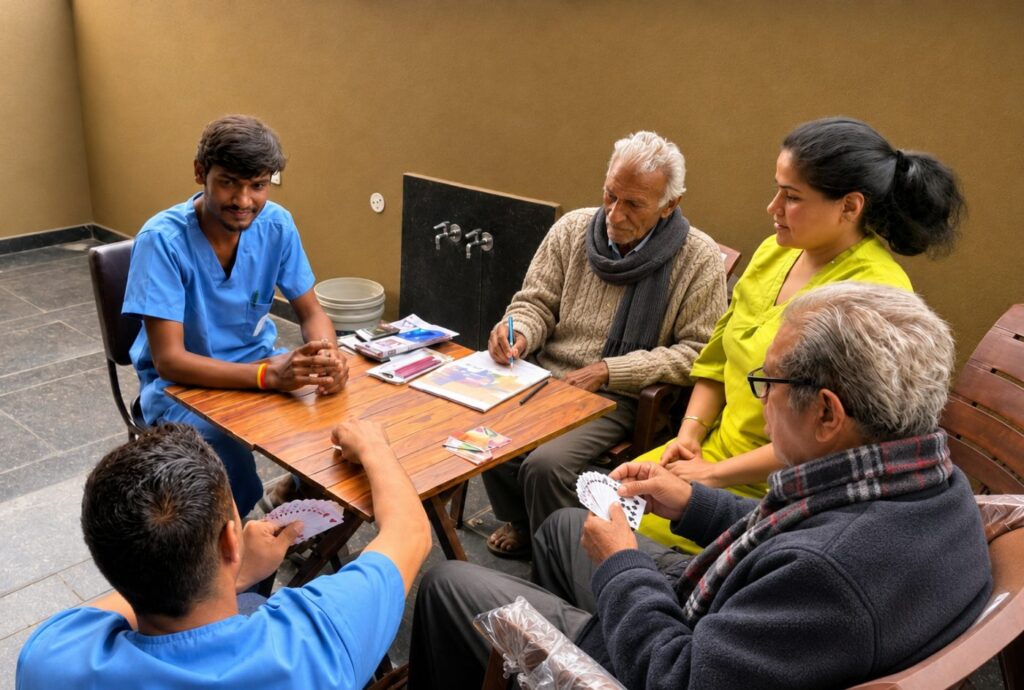
Cold days often keep seniors indoors and alone. Call them daily, plan short visits, and encourage hobbies, prayer, music, or memory games and puzzles. If they seem withdrawn for weeks or lose interest in food, talk to a doctor.
Warning Signs: When to Call a Doctor
Call a doctor or go to the hospital right away if your elderly parent shows any of these signs:
| Sign | What it may mean |
|---|---|
| Chest pain, sweating, pain in the arm or jaw | Possible heart attack |
| Sudden weakness on one side, slurred speech, drooping face | Possible stroke |
| Breathlessness, fast breathing, bluish lips | Chest infection, asthma or COPD flare-up |
| Shivering that stops, confusion, drowsiness, very cold skin | Hypothermia |
| High fever with cough lasting more than 2–3 days | Flu or pneumonia |
| A fall, even with no visible injury | Hidden fracture or head injury |
Keep emergency numbers, the doctor’s contact and a current medicine list near the phone where any family member or caregiver can find them.
How Home Care Helps Elderly Parents in Winter
Many families can’t be with their parents every day, especially when children work long hours or live in another city. A trained caregiver at home makes winter safer in practical ways:
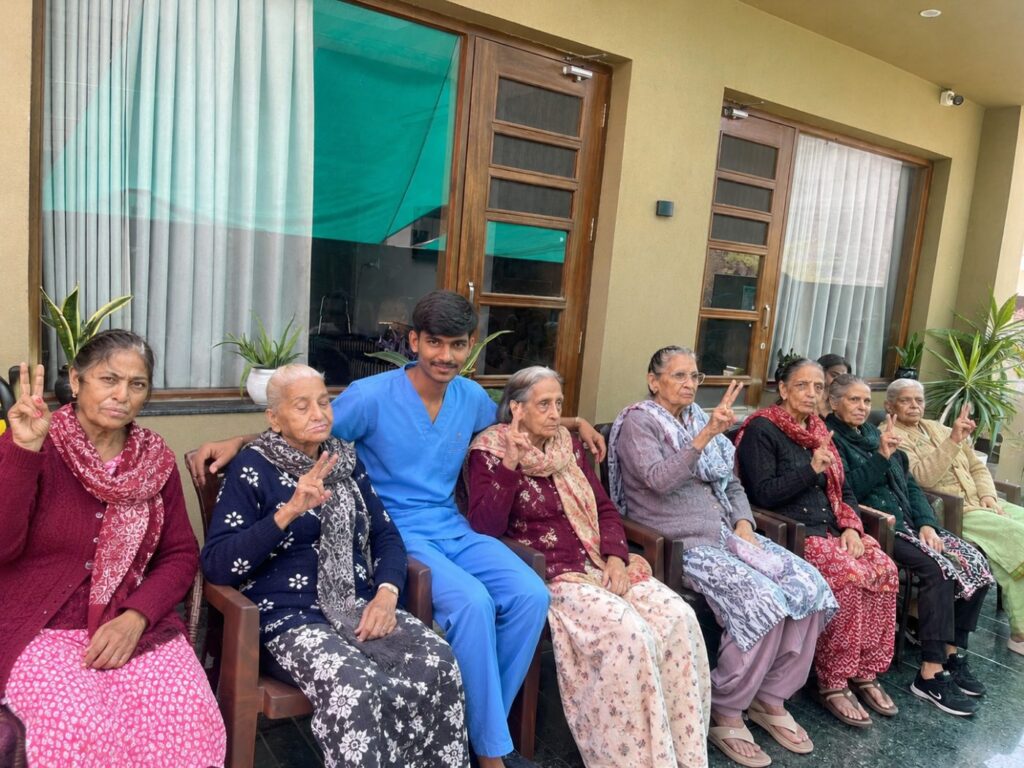
- Helps with bathing, dressing and moving around, which lowers the risk of falls.
- Gives medicines on time and keeps track of BP, sugar and temperature.
- Prepares warm, suitable meals and makes sure they drink enough water.
- Notices early warning signs and informs the family or doctor quickly.
- Offers company, which eases loneliness on long winter days.
For bedridden or post-hospital patients, renting a hospital bed or a BiPAP/CPAP machine can make recovery at home easier through the cold months.
Need support this winter? Zorgers provides elder care at home, nursing attendants and medical equipment on rent across Delhi NCR and other cities. Call 8725024124 or contact us to discuss your parent’s needs.
Frequently Asked Questions
Q.1 How can I keep my elderly parents warm in winter?
Keep their rooms at about 18°C or warmer with a safe heater, dress them in loose layers with a cap and woollen socks, and give warm drinks through the day. Cover the head, hands and feet, where heat is lost fastest.
Q.2 What should elderly people eat in winter?
Warm, home-cooked meals with protein (dal, paneer, eggs, curd), seasonal vegetables, and vitamin C fruits like oranges and guava. Soups and khichdi are easy to digest. Limit fried and salty snacks.
Q.3 Is it safe for senior citizens to go for a morning walk in winter?
Very early morning walks are best avoided, as it is coldest then and smog levels are often high in North Indian cities. A walk in late morning sunshine, or indoor exercise on high-AQI days, is safer.
Q.4 Why does blood pressure rise in winter in old age?
Cold makes blood vessels narrow, so the heart has to pump harder and BP goes up. This raises the risk of heart attack and stroke, so seniors should check their BP more often in winter.
Q.5 Which vaccines should elderly people take before winter?
The yearly flu vaccine and the pneumococcal vaccine are usually recommended for people over 65. Ask your parent’s doctor which ones suit their health.
Q.6 When should I hire a caregiver for my elderly parent?
Consider a caregiver if your parent lives alone, has had a recent fall or hospital stay, needs help with bathing or medicines, or has a chronic condition like heart disease, COPD or dementia. You can compare 12-hour and 24-hour caregiver charges before deciding.
Conclusion
Winter care for elderly parents comes down to small daily habits: a warm and safe home, good food and water, gentle activity, and someone watching for early signs of trouble. A little planning now can prevent a hospital visit later. If you need a hand, Zorgers’ trained caregivers can support your parents at home all winter.