
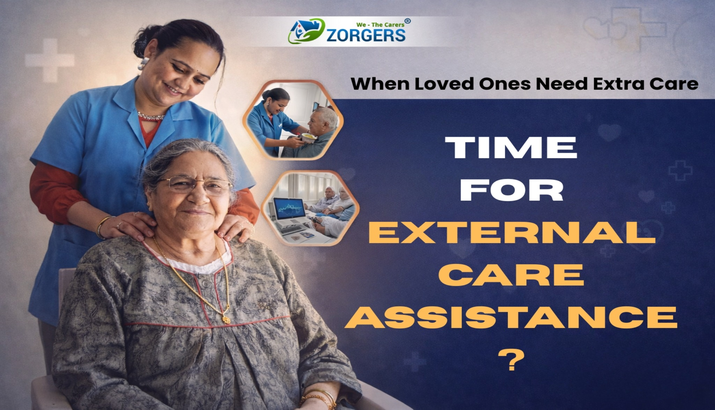
Every family situation is unique, but certain patterns indicate that additional support may be beneficial.
1. Care Needs Are Becoming Physically Demanding
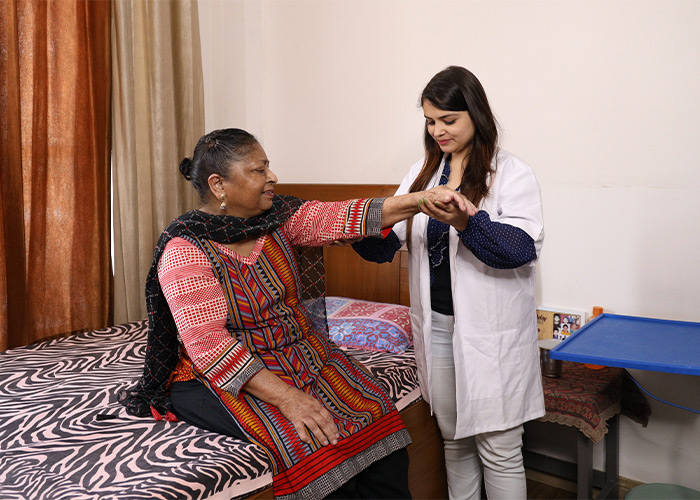
When helping with mobility, lifting, bathing, or repositioning becomes difficult, the risk of injury increases for both the caregiver and the patient.
Professional caregivers are trained to handle these tasks safely, reducing strain on families.
2. Medical Needs Are Increasing
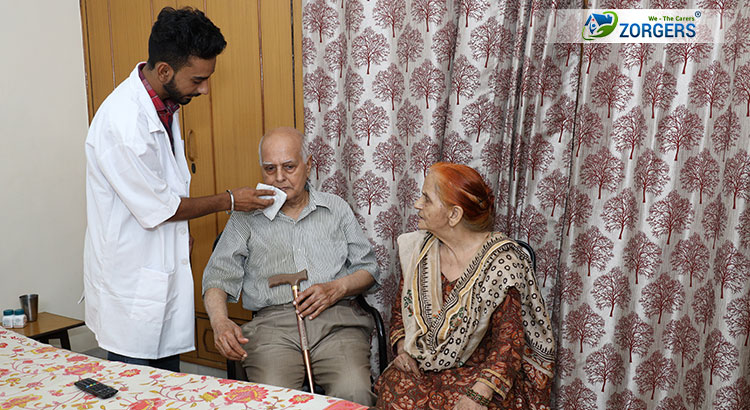
If your loved one requires regular monitoring, medical support, or recovery care after hospitalization, professional assistance becomes essential.
Services such as icu-care-at-home, ecg-at-home, or clinical supervision at home can help manage complex conditions without frequent hospital visits, improving comfort and safety.
3. Family Caregivers Feel Constantly Exhausted
Fatigue, sleep disturbances, irritability, or emotional overwhelm among family members indicate the caregiving load may be too heavy to manage alone.
Support from trained professionals or live-in-home-care arrangements can provide continuous assistance while allowing families to rest and recover emotionally.
4. Work and Personal Life Are Being Affected
Many people balance careers, children, and household responsibilities alongside elder care. When caregiving begins to affect employment or personal wellbeing, it may be time to explore structured support options.
This is especially common among families living abroad, where healthcare-services-for-nri can ensure parents receive reliable care even when children are not physically present.
5. Safety Concerns Are Increasing
Falls, confusion, missed medications, or accidents at home signal that closer supervision or professional care may be needed.
Conditions like memory loss or cognitive decline may also require specialized services such as dementia-care-at-home, where trained caregivers understand behavioral changes and provide compassionate support.
6. Emotional Stress Is Rising Within the Family
Caregiving responsibilities can sometimes lead to family disagreements, frustration, or feelings of helplessness. Sharing responsibilities with professionals often reduces emotional tension and improves family harmony.
7. The Patient Requires More Attention Than One Person Can Provide
As health conditions progress, one family member alone may not be able to meet all needs consistently. Continuous monitoring, assistance with daily activities, and medical supervision may require dedicated support.
Professional care allows families to focus more on emotional connection rather than constant physical tasks.
The Benefits of Seeking Help at the Right Time
Choosing external care assistance early — rather than during crisis — offers several advantages:
- Better health monitoring
- Reduced caregiver stress
- Improved recovery and comfort for the patient
- Lower risk of emergencies
- More emotional quality time for families
- Greater confidence and peace of mind
Instead of replacing family care, professional support strengthens it.
A Shift in Perspective: Support Is Not Replacement
One of the biggest misconceptions is that professional caregivers replace family involvement.
In reality, they enhance family care.
Families remain emotionally connected while trained professionals manage physical and clinical responsibilities. This balance allows relationships to remain loving rather than becoming overwhelmed by responsibilities.
Recognizing the Turning Point With Compassion
Acknowledging the need for help can be emotionally challenging. Many families feel guilt or hesitation.
But recognizing limits is not weakness — it is wisdom.
External care assistance often transforms caregiving from a stressful burden into a more sustainable and supportive experience for everyone involved.
Moving Forward With Confidence
If you notice signs that caregiving demands are increasing beyond what your family can comfortably manage, exploring professional home healthcare options can be a positive next step.
The goal is simple:
To ensure safety, comfort, dignity, and wellbeing — for both the loved one receiving care and the family providing it.
Because care works best when it is shared.
Gentle Reminder
Sometimes the strongest decision a family can make is asking for support before exhaustion or crisis occurs.
Recognizing the turning point early can make all the difference.