


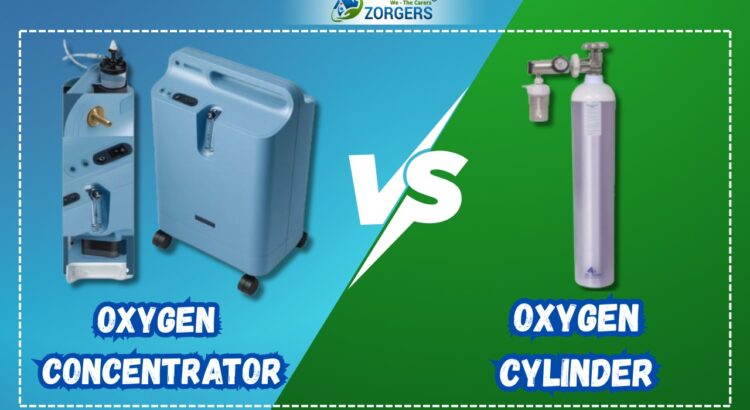
Breathing support at home has become a necessity for many families—especially for elders, post-COVID patients, and those living with chronic respiratory conditions like COPD, pneumonia, asthma, or heart disease.
When doctors recommend oxygen therapy at home, families often face a critical question:
Should we use an oxygen concentrator or an oxygen cylinder?
More importantly — which one is safer for home use?
This guide breaks it down clearly, practically, and medically—so you can make the safest and smartest decision for home care.
Understanding Oxygen Therapy at Home
Oxygen therapy helps maintain adequate oxygen levels in the blood when the lungs cannot do so efficiently on their own. At home, oxygen is typically delivered using:
- Oxygen Concentrators
- Oxygen Cylinders
Both serve the same purpose, but how they work, how safe they are, and how suitable they are for long-term home use are very different.
What Is an Oxygen Concentrator?
An oxygen concentrator is an electrically powered medical device that extracts oxygen from ambient air, filters out nitrogen, and delivers concentrated oxygen (typically 90–95%) to the patient.
How It Works
- Takes in room air
- Filters and concentrates oxygen
- Delivers oxygen continuously via nasal cannula or mask
Common Types
- Stationary concentrators (for home use)
- Portable concentrators (travel/light mobility)
What Is an Oxygen Cylinder?
An oxygen cylinder is a metal tank filled with compressed medical-grade oxygen. Once the oxygen inside is used, the cylinder must be refilled or replaced.
How It Works
- Stores oxygen under high pressure
- Oxygen flows out through a regulator
- Supply ends when the cylinder empties
Oxygen Concentrator vs Oxygen Cylinder: Safety Comparison
Let’s compare them from a home safety perspective, which is what truly matters.
-
Oxygen Supply Continuity
Oxygen Concentrator
- Continuous supply as long as electricity is available
- No refilling required
- Ideal for long-term or daily oxygen needs
Oxygen Cylinder
- Limited oxygen supply
- Risk of oxygen running out unexpectedly
- Requires regular refills and logistics coordination
✅ Safer for home: Oxygen Concentrator
-
Fire & Explosion Risk
Oxygen Concentrator
- Does not store oxygen
- No high-pressure oxygen tank
- Lower fire risk when used properly
Oxygen Cylinder
- Stores oxygen under high pressure
- Risk increases if exposed to heat, oil, or improper handling
- Requires strict safety protocols
✅ Safer for home: Oxygen Concentrator
-
Ease of Use for Families & Elders
Oxygen Concentrator
- Simple on/off operation
- Minimal monitoring
- Easy for elders and caregivers to manage
Oxygen Cylinder
- Requires pressure checks
- Regulator handling needed
- More dependency on trained support
✅ Safer for home: Oxygen Concentrator
-
Maintenance & Handling
Oxygen Concentrator
- Periodic filter cleaning
- Annual servicing
- No physical replacement required
Oxygen Cylinder
- Heavy and difficult to move
- Needs safe storage space
- Regular replacement or refilling required
✅ Safer for home: Oxygen Concentrator
-
Power Dependency vs Logistics Dependency
Oxygen Concentrator
- Depends on electricity
- Can be supported with inverter or power backup
Oxygen Cylinder
- Independent of electricity
- Dependent on supplier availability and refill timelines
⚖️ Tie (with planning, concentrators still win for homes)
Medical Recommendation: What Do Doctors Prefer?
In most non-emergency home care situations, doctors prefer:
✔ Oxygen concentrators for long-term, stable patients
✔ Oxygen cylinders for emergencies, transport, or backup
Medical guidelines increasingly support concentrators for:
- COPD management
- Post-hospital recovery
- Long-term oxygen therapy (LTOT)
- Elder care at home
Which One Is Actually Safer for Home Use?
✅ Oxygen Concentrator Is Safer for Home Use When:
- Oxygen is required daily or long-term
- Patient is stable but oxygen-dependent
- Care is being managed by family or caregivers
- You want minimal risk and maintenance
⚠️ Oxygen Cylinder Is Better When:
-
Oxygen is needed only occasionally
-
Used as an emergency backup
-
During power failures (short duration)
-
For ambulance or hospital transport
Cost Comparison (India – Approx.)
| Factor | Oxygen Concentrator | Oxygen Cylinder |
| Initial Cost / Rent | Higher upfront | Lower upfront |
| Long-Term Cost | Lower | Higher (refills) |
| Maintenance | Minimal | Ongoing |
| Convenience | High | Medium |
| Safety | Higher | Moderate |
For home use, safety, convenience, and long-term care — oxygen concentrators are the better and safer choice.
Oxygen cylinders still play an important role as backup or emergency support, but they are not ideal as the primary oxygen source at home.
When to Seek Professional Help
If you are unsure about:
-
Oxygen flow rate
-
Equipment selection
-
Setup and monitoring
-
Caregiver support
Always consult a professional home healthcare provider who can assess the patient’s condition and recommend the safest setup.
Key Takeaway
Oxygen therapy saves lives — but only when used safely and correctly.
Choosing the right equipment is not just about cost, it’s about risk, reliability, and peace of mind.