
Caring for an aging parent or a loved one is one of the most compassionate things a person can do. It comes from love, responsibility, and emotional connection. But behind this dedication, many family caregivers silently struggle with exhaustion, stress, and emotional fatigue — a condition known as caregiver burnout.
Caregiver burnout is not a sign of weakness or lack of love. It is a natural response to prolonged physical, emotional, and mental strain. Unfortunately, many families fail to recognize the warning signs until the caregiver’s health and wellbeing begin to suffer.
Understanding caregiver burnout early can protect not only the caregiver but also the quality of care being provided to the patient.
What Is Caregiver Burnout?
Caregiver burnout occurs when a person caring for someone else experiences overwhelming stress, fatigue, and emotional exhaustion over time. Family caregivers often balance multiple responsibilities — work, household duties, personal life, and caregiving — which can become physically and mentally draining.
Unlike professional caregivers who work in shifts and receive support, family members often provide care continuously without rest, making them more vulnerable to burnout.
Signs of Caregiver Burnout Families Should Not Ignore
Recognizing the symptoms early is crucial. Some common warning signs include:
1. Constant Fatigue and Exhaustion
Feeling tired even after resting or sleeping is one of the earliest signs. Physical exhaustion accumulates when caregiving becomes continuous.
2. Irritability and Mood Changes
Caregivers may feel frustrated, impatient, or emotionally overwhelmed more often than usual. Small situations may trigger strong reactions.
3. Sleep Problems
Difficulty falling asleep, interrupted sleep, or insomnia can indicate mental stress and anxiety.
4. Loss of Interest in Personal Life
Caregivers often stop engaging in hobbies, social activities, or personal interests they once enjoyed.
5. Feelings of Guilt or Helplessness
Many caregivers feel they are not doing enough, even when they are giving their best effort. This emotional burden can be heavy.
6. Declining Physical Health
Frequent headaches, body aches, weakened immunity, or recurring illnesses may appear due to chronic stress.
7. Emotional Withdrawal
Some caregivers start feeling emotionally numb or disconnected from others, including the person they are caring for.
Ignoring these signs can lead to serious physical and mental health consequences over time.
Why Caregiver Burnout Happens
Several factors contribute to burnout:
- Lack of rest or personal time
- Emotional attachment to the patient
- Financial stress related to medical care
- Feeling solely responsible for the loved one
- Lack of professional support
- Managing work and caregiving simultaneously
Caregiving is not just a physical task — it is deeply emotional, which makes it more demanding.
The Impact of Burnout on Both Caregiver and Patient
When caregivers become exhausted, it affects everyone involved.
For caregivers:
- Increased risk of depression and anxiety
- Health problems due to chronic stress
- Reduced quality of life
For patients:
- Reduced quality of care
- Increased risk of accidents or missed medications
- Emotional tension within the family
Healthy caregivers provide better care. Supporting caregivers is essential for patient wellbeing.
How Families Can Prevent Caregiver Burnout
Preventing burnout does not mean reducing love or responsibility — it means creating balance.
Some helpful steps include:
- Sharing responsibilities among family members
- Taking regular breaks and personal time
- Seeking emotional support from friends or counselors
- Maintaining proper sleep and nutrition
- Accepting help when needed
Most importantly, families should understand that asking for help is not failure — it is wisdom.
The Role of Professional Care Support
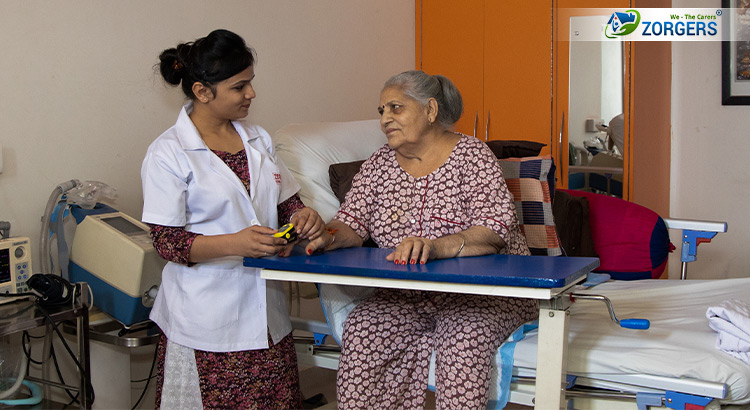
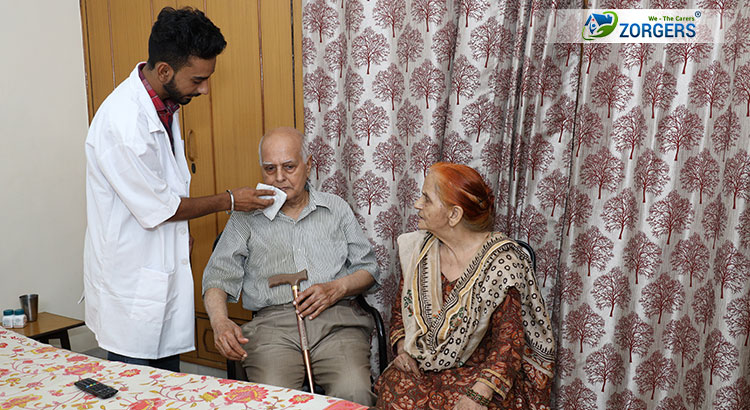
Professional caregivers can provide valuable relief to family members. Even temporary assistance can significantly reduce stress, allowing families to rest and focus on emotional connection rather than constant physical caregiving.
Professional support can help with:
- Daily care routines
- Mobility assistance
- Medication management
- Hygiene support
- Monitoring health conditions
This partnership ensures both the patient and family remain healthy and supported.
Caring for the Caregiver Matters Too
In many families, caregivers become the invisible backbone of support. Yet their needs often remain unspoken.
Recognizing caregiver burnout early is an act of compassion — not only for the caregiver but also for the loved one receiving care.
Because when caregivers are supported, patients receive better care, and families remain stronger together.
A Gentle Reminder
If you or someone in your family is feeling overwhelmed while caring for a loved one, it may be time to seek support. Professional care assistance can ease responsibilities and restore balance without replacing the love families provide.
Care is strongest when it is shared.