
In modern healthcare, one of the most overlooked yet crucial phases of treatment is the transition from hospital to home. While patients often receive intensive care during hospitalization, the period immediately after discharge plays an equally important role in determining recovery outcomes.
This phase, known as care transition, is where many patients face the highest risk of complications, mismanagement, and ultimately, hospital readmissions.
For healthcare providers and families alike, ensuring a smooth and structured transition is not just beneficial — it is essential.
Understanding Care Transitions
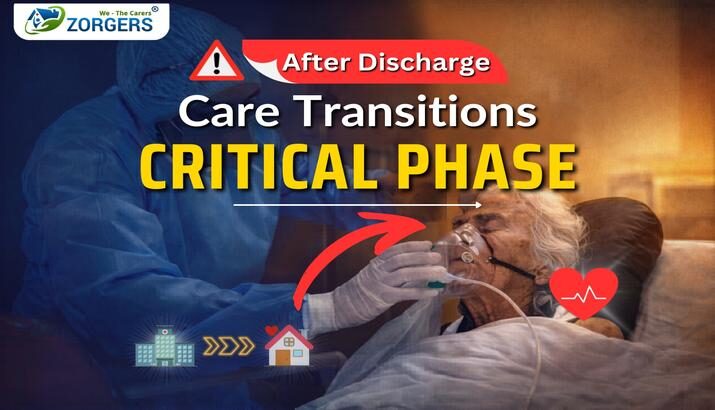
Care transition refers to the movement of a patient from one healthcare setting to another, most commonly from hospital to home.
During this phase, patients move from a highly monitored clinical environment to a relatively independent setting. Without proper support systems in place, this shift can lead to:
- Medication errors
- Missed follow-ups
- Lack of medical supervision
- Delayed identification of complications
- Reduced adherence to recovery plans
For elderly patients and individuals with chronic conditions, these risks are significantly higher.
Why Care Transitions Are So Critical
Studies and real-world healthcare experiences show that a large percentage of hospital readmissions occur within days or weeks after discharge.
This is not always due to the severity of illness, but often due to gaps in post-hospital care.
A structured care transition ensures:
- Continuity of treatment
- Proper monitoring of recovery
- Timely medical intervention when required
- Emotional and physical support for patients
Without this structure, even a successful hospital treatment can lead to poor recovery outcomes.
The Role of Home Healthcare in Care Transitions
Home healthcare has emerged as a vital solution in bridging the gap between hospital discharge and full recovery.
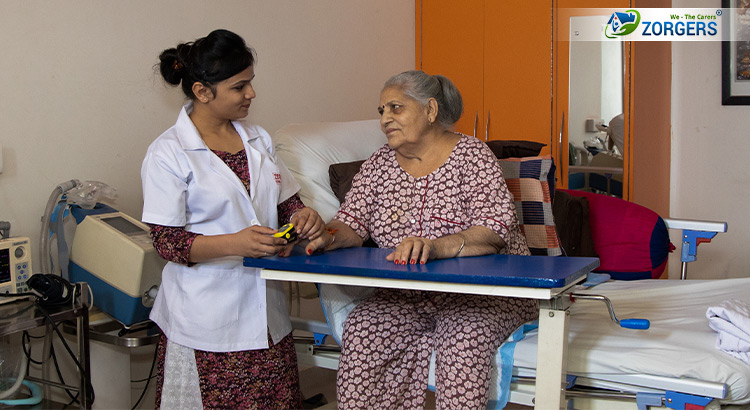
Services such as Patient Care – General Nursing ensure that patients continue receiving professional medical attention at home. From medication management to wound care and monitoring vital signs, trained nurses play a key role in maintaining continuity of care.
For patients requiring extended support, Live-in Care – 24 Hours Care provides round-the-clock assistance, ensuring safety, comfort, and immediate response to any health concerns.
Managing Complex and Critical Conditions at Home
Not all patients transition into simple recovery phases. Some require advanced medical supervision even after discharge.
In such cases, services like ICU Care – Critical Care and ICU setup at home allow patients to receive hospital-level care in a familiar environment.
Additionally, support systems such as oxygen concentrators, BiPAP/CPAP, and other respiratory equipment help manage patients with breathing difficulties or post-critical conditions.
This reduces dependency on prolonged hospital stays while ensuring safety and medical continuity.
Importance of Monitoring and Diagnostics
One of the biggest challenges during care transitions is the lack of timely health monitoring.
Home-based diagnostic services like ECG at Home enable continuous cardiac monitoring without requiring patients to travel. This is especially important for elderly individuals or those recovering from cardiac conditions.
Routine preventive lab tests further help in identifying early signs of complications, allowing healthcare providers to intervene before conditions worsen.
This proactive approach significantly reduces the risk of emergency hospital visits.
Rehabilitation and Recovery Support
Recovery does not end with discharge — in many cases, it truly begins at home.
Professional physiotherapists play a crucial role in post-hospital recovery by helping patients regain mobility, improve strength, and prevent long-term complications.
Whether it is post-surgery rehabilitation or recovery after a stroke, structured physiotherapy programs ensure that patients regain independence safely.
The Human Element: Caregivers and Emotional Support
Beyond clinical care, emotional wellbeing is a key factor in recovery.
Trained caregivers and patient attendants provide not just physical assistance but also companionship and reassurance. This support helps reduce anxiety, improve patient morale, and encourage adherence to recovery routines.
For elderly patients living alone, this human connection becomes even more critical.
Supporting Families, Including NRI Care Coordination
Care transitions can be particularly stressful for families who are not physically present, especially Non-Resident Indians (NRIs).
Services like NRI Family Care ensure that families stay informed through regular updates, coordinated care plans, and professional supervision.
This structured approach allows families to remain involved in decision-making while ensuring their loved ones receive the best possible care at home.
Building a Structured Care Transition Plan
An effective care transition requires planning, coordination, and professional support.
A structured plan typically includes:
- Post-discharge medical assessment
- Continuous nursing care
- Medication management
- Regular monitoring through diagnostics
- Rehabilitation support
- Emergency response readiness
When these elements are combined, patients experience smoother recovery and significantly lower chances of readmission.
The Future of Patient Recovery
As healthcare continues to evolve, the focus is shifting from hospital-centric treatment to patient-centric recovery.
Care transitions are no longer seen as a secondary phase but as a critical component of the healthcare journey.
By integrating professional services such as nursing care, physiotherapy, diagnostic monitoring, and caregiver support at home, healthcare providers can ensure that recovery is not interrupted once a patient leaves the hospital.
Conclusion
Care transitions represent the most vulnerable phase in a patient’s recovery journey.
Without proper support, this phase can lead to complications, stress, and avoidable hospital readmissions. However, with structured home healthcare programs, patients can recover safely, comfortably, and effectively in their own homes.
For families and healthcare providers, the goal is clear — to ensure that care does not stop at discharge, but continues seamlessly until full recovery is achieved.
Because true healing does not happen only in hospitals — it continues at home.