
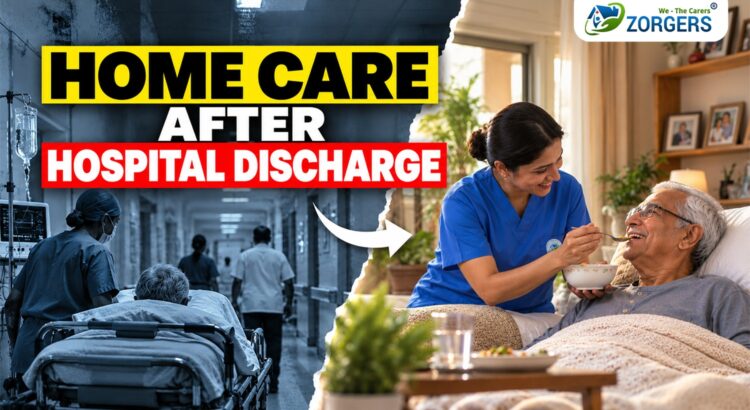
Bringing a family member home from the hospital is a relief, but it can also bring new responsibilities. The patient may feel weak, need help with everyday tasks, or require extra attention while recovering.
The good news is that a few simple steps can make home care easier. Here is how to care for a patient after hospital discharge and when you may need help from a caregiver.
10 Simple Tips for Caring for a Patient at Home
1. Keep the Patient Clean and Comfortable
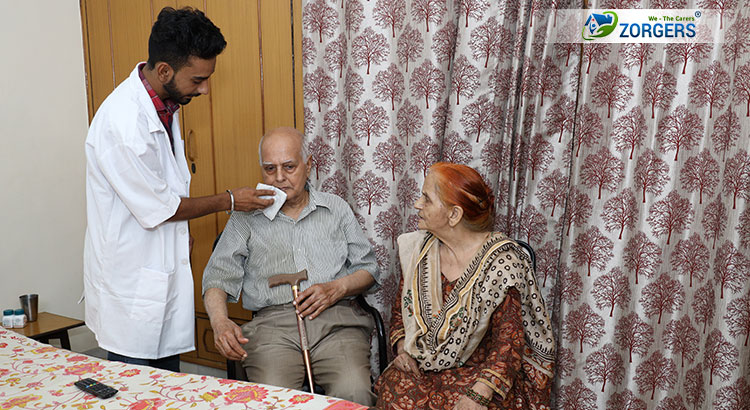
Help the patient bathe, change clothes, and maintain personal hygiene whenever needed. Keep their bedsheets and clothes clean, and follow the doctor’s instructions for wound care.
2. Give Medicines on Time
Keep the prescribed medicines organised and follow the doctor’s instructions about dosage and timing. If you are unsure about a medicine, check with the doctor or pharmacist instead of guessing.
3. Serve Meals at the Right Time
Try to maintain a regular meal routine. Follow the diet recommended by the doctor, especially if the patient has diabetes, swallowing difficulties, or other dietary restrictions.
4. Choose Food According to the Patient’s Condition
Offer meals that suit the patient’s recovery needs. Avoid hard-to-chew or difficult-to-swallow foods if the patient has trouble swallowing. Ask the healthcare team what foods are suitable if you are unsure.
5. Keep the Patient’s Room Clean
A clean room can make recovery more comfortable. Regularly change bedsheets when needed, keep clothes clean, and maintain basic hygiene around the patient’s resting area.
6. Keep Floors Dry and Clutter-Free
Water spilled on the floor, loose rugs, and scattered wires can cause falls. Clean spills immediately and keep the path to the bathroom and other frequently used areas clear.
7. Stay Nearby When the Patient Needs Help
If the patient feels weak, dizzy, or unsteady, do not leave them to walk alone when they need assistance. Help them move safely, especially when getting out of bed or going to the bathroom.
8. Help with Everyday Activities
The patient may need help with bathing, dressing, eating, or using the bathroom. Offer support where needed while allowing them to do whatever they can manage safely.
9. Make Sure the Patient Gets Enough Rest
Recovery can take time, so give the patient opportunities to rest. Follow the doctor’s advice about walking, movement, and daily activities rather than encouraging too much activity too soon.
10. Pay Attention to Changes in Health
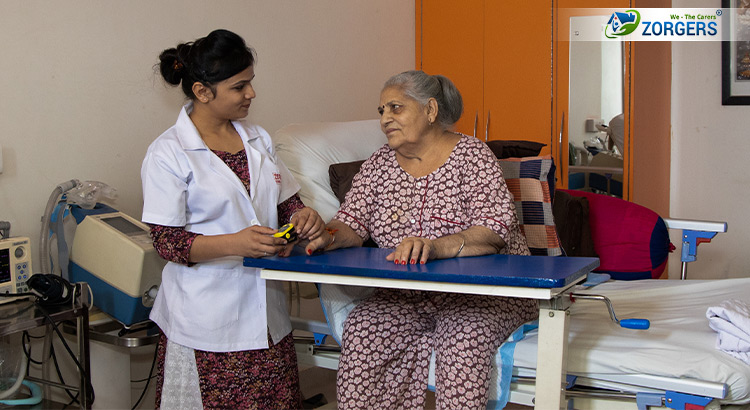
Notice if the patient develops new symptoms or seems to be getting worse. Contact their doctor when needed. For chest pain, severe breathing difficulty, sudden weakness, or unresponsiveness, seek emergency medical help.
When Does a Patient Need a Caregiver at Home?
Sometimes, family members can manage patient care themselves. But when the patient needs regular help and nobody is available throughout the day, managing everything can become difficult.
A home caregiver may be helpful when the patient:
- Needs assistance with bathing, dressing, or eating.
- Has difficulty walking or moving safely.
- Needs regular help with daily activities.
- Requires support while family members are at work or handling other responsibilities.
A caregiver can assist with everyday care during agreed duty hours. If the patient needs medical procedures or clinical monitoring, ask the treating team whether a qualified nurse is required.
Patient Care at Home with Zorgers
Looking after a loved one during recovery can be tiring, especially when you are balancing work and family responsibilities. If the patient needs regular help with everyday activities, Zorgers is a place to explore available support.
When enquiring, explain the patient’s condition and the kind of help they need so the appropriate care arrangement can be discussed.
Frequently Asked Questions
1. How should I care for a patient after hospital discharge?
Follow the doctor’s instructions, keep the patient clean and comfortable, give medicines as prescribed, provide suitable meals, and help with daily activities when needed.
2. How do I keep a discharged patient safe at home?
Keep floors dry, remove obstacles, provide good lighting, and assist the patient when walking if they feel weak or unsteady.
3. How often should I give medicines to a discharged patient?
Follow the exact schedule and dosage prescribed by the doctor. Do not change the timing or dose without medical advice.
4. What food should I give a patient after hospital discharge?
Choose food according to the doctor’s dietary advice and the patient’s condition. If the patient has swallowing difficulties, ask the healthcare team for guidance.
5. Why is cleanliness important during home care?
Clean clothes, bedsheets, hands, and surroundings help maintain personal hygiene and make the patient more comfortable during recovery.
6. Can a discharged patient walk without assistance?
That depends on the patient’s strength and medical condition. If they feel weak or unsteady, follow the healthcare team’s advice and provide assistance as needed.
7. When should I hire a caregiver after hospital discharge?
Consider a caregiver if the patient needs regular help with personal hygiene, meals, walking, or other daily activities that family members cannot consistently manage.
8. Can a caregiver help with bathing and feeding?
Yes, caregiver may assist with bathing, personal hygiene, and meals according to the patient’s needs and the agreed care plan. Special dietary or swallowing concerns should be discussed with the healthcare team.
9. Does a discharged patient need a caregiver or a nurse?
A caregiver generally helps with daily activities, while a qualified nurse provides clinical nursing care. The right support depends on the patient’s condition and discharge instructions.
10. What should I do if the patient's condition gets worse at home?
Contact the treating doctor if symptoms worsen. For serious signs such as chest pain, severe breathing difficulty, sudden weakness, or unresponsiveness, seek emergency medical help immediately.
Conclusion
Caring for a patient at home is about paying attention to the little things every day from timely medicines and suitable meals to cleanliness, comfort, and safety.
If your loved one needs more help than the family can provide, a caregiver may help with everyday activities during recovery. The aim is to make the patient feel supported while following the care plan provided by their healthcare team.