
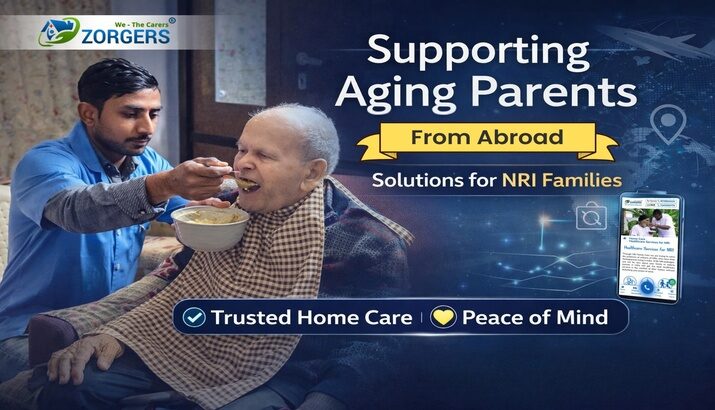
For many Non-Resident Indians (NRIs), building a life abroad often comes with an emotional challenge that is difficult to ignore — the responsibility of caring for aging parents back home.
While distance may create opportunities for career growth and global exposure, it also brings constant concern about the wellbeing of loved ones.
Questions such as:
“Are they safe?”
“What if a medical emergency happens?”
“Who is taking care of them when I cannot be there?”
These worries are common among families living overseas. The good news is that modern healthcare-services-for-nri and professional home healthcare solutions are now making it easier for NRI families to stay connected and ensure their parents receive the care they deserve.
The Unique Challenges NRI Families Face
Caring for elderly parents from another country comes with several practical and emotional difficulties.
Some of the most common challenges include:
- Limited ability to respond quickly during medical emergencies
- Lack of trusted support for daily assistance
- Difficulty monitoring health conditions regularly
- Emotional stress of being far away
- Concerns about safety and loneliness for parents living alone
Even with frequent phone calls or video chats, it can be difficult to fully understand the day-to-day needs of aging parents.
This is why many families are now exploring reliable healthcare-services-for-nri that bridge the gap between distance and care.
The Role of Professional Caregivers at Home
Professional home healthcare services provide a structured solution for families who want their parents to remain comfortable at home while receiving proper support.
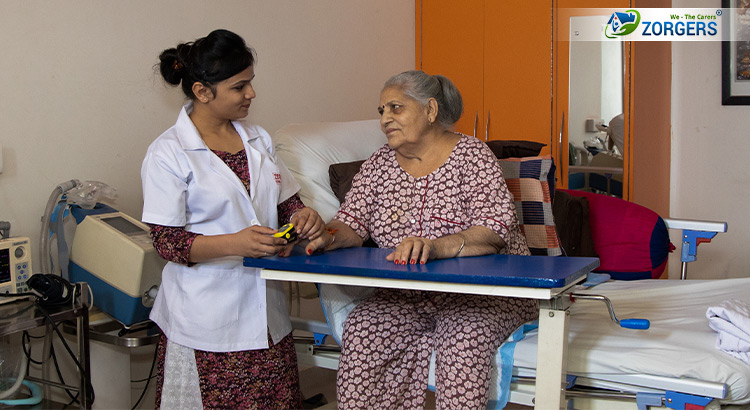
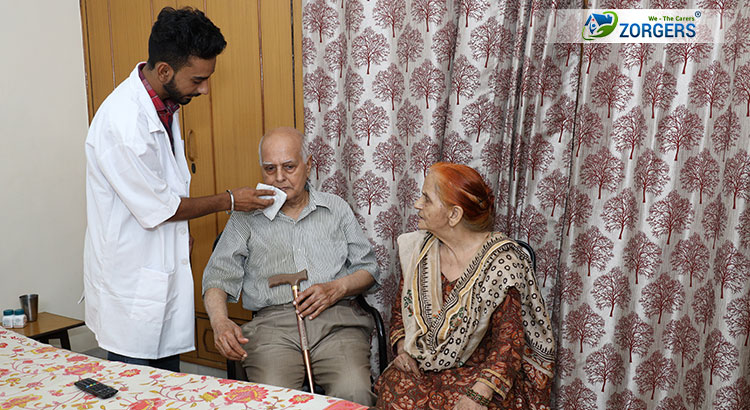
Trained caregivers can assist with daily activities such as feeding, medication reminders, mobility support, and companionship.
More importantly, these services ensure that someone responsible is always present to monitor the health and wellbeing of elderly individuals.
For NRI families, having professional caregivers supporting parents offers reassurance that their loved ones are not alone.
Preventive Healthcare for Aging Parents
Prevention plays a crucial role in elderly care. Regular health monitoring helps detect health risks early before they become serious problems.
Services such as preventive-healthcare-packages and routine preventive lab tests allow healthcare providers to monitor important health parameters and identify early warning signs of diseases.
Many home healthcare providers also offer services like ecg-at-home, allowing heart health monitoring without requiring seniors to visit hospitals frequently.
This proactive approach ensures that aging parents remain healthier and safer at home.
Managing Medical Conditions at Home
Some elderly individuals may require specialized medical support due to conditions such as stroke, mobility issues, or chronic illnesses.
In such situations, services like stroke-care-at-home can provide professional medical supervision, rehabilitation support, and personalized care plans designed to help patients recover comfortably at home.
With trained caregivers and medical professionals involved, families can be confident that their parents are receiving proper care even when they are living abroad.
Emotional Support and Elderly Engagement
Beyond medical care, emotional wellbeing is equally important.
Loneliness is a common issue among seniors whose children live abroad. Professional caregivers play an important role in improving elderly-engagement by encouraging daily interaction, conversation, and meaningful activities.
Regular engagement helps seniors stay mentally active and emotionally supported, reducing feelings of isolation and improving overall quality of life.
For NRI families, knowing their parents are socially connected and emotionally supported provides great peace of mind.
Planning Ahead for Long-Term Care
One of the most important steps NRI families can take is planning care arrangements before emergencies arise.
Establishing a reliable support system early ensures that parents receive timely assistance when needed.
A structured care plan may include:
- Regular health checkups
- Preventive healthcare monitoring
- Scheduled visits by professional caregivers
- Routine preventive lab tests
- Emergency response planning
Planning ahead allows families to focus on maintaining strong relationships rather than constantly worrying about unexpected situations.
Staying Connected Despite the Distance
Distance may limit physical presence, but it does not have to weaken family connections.
With the help of professional caregivers, healthcare technology, and specialized healthcare-services-for-nri, families can ensure their parents receive the support they need while continuing to feel loved and cared for.
Home healthcare services are making it possible to bridge the gap between continents, ensuring that aging parents remain safe, comfortable, and supported.
A Thoughtful Approach to Family Responsibility
Supporting aging parents from abroad is not about replacing family involvement — it is about strengthening it with the right resources.
When families combine emotional support with professional caregiving services such as stroke-care-at-home, ecg-at-home, preventive healthcare packages, and routine preventive lab tests, they create an environment where seniors can age with dignity, security, and comfort.
Because even across oceans, care and connection can still remain strong.