
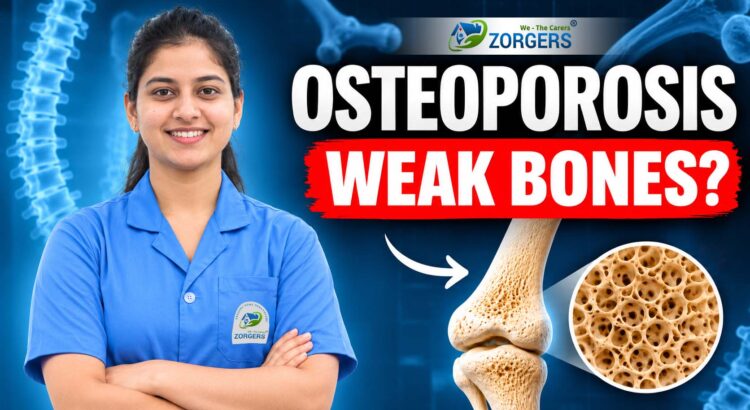
Osteoporosis is a common bone condition that makes bones weak, less dense and more likely to break. It becomes more common with age, particularly among older adults and women after menopause.
The condition often develops without noticeable symptoms until a fracture occurs. Understanding osteoporosis causes, recognising warning signs and getting an early diagnosis can help protect bone health and reduce the risk of complications.
What Is Osteoporosis?
Osteoporosis is a condition in which bones lose density and strength, making them fragile and more likely to fracture.
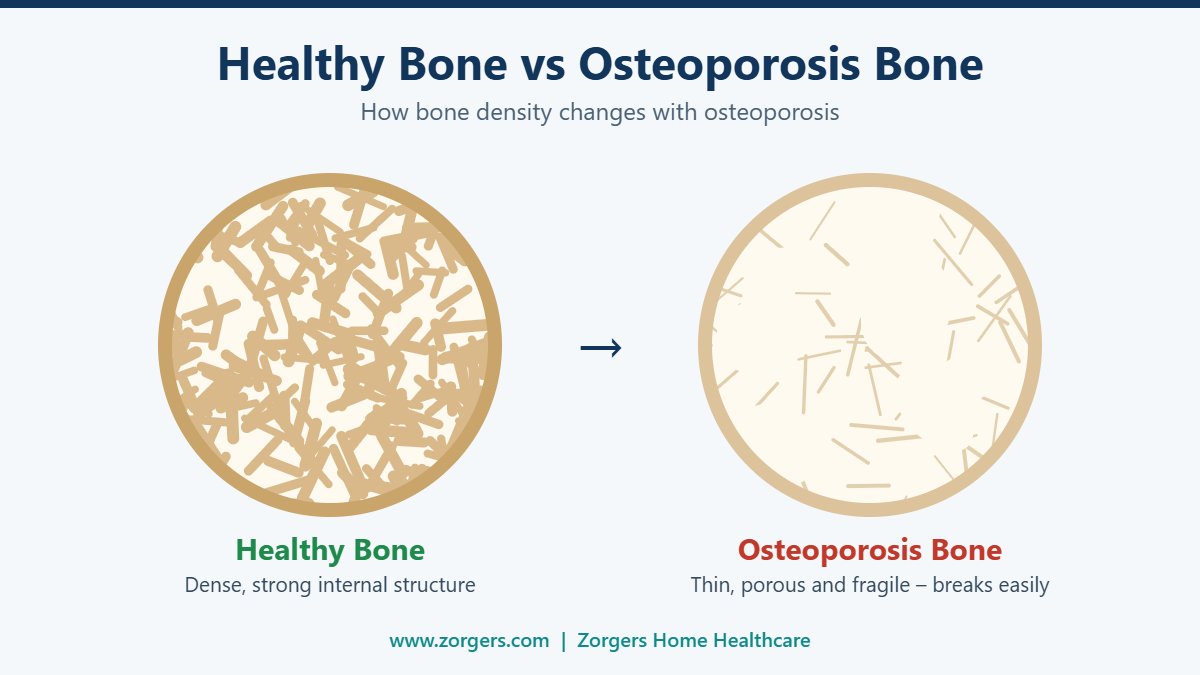
Osteoporosis definition: It is a bone disease in which bone loss happens faster than the body can replace it, weakening the internal structure of bones.
It commonly affects the hip, spine and wrist. Without proper management, even a minor fall or injury can cause a fracture.
What Is the Main Cause of Osteoporosis?
The main cause of osteoporosis is an imbalance between bone breakdown and new bone formation. As people age, bones may lose strength faster than the body can rebuild them.
Common osteoporosis causes include:
- Ageing: Bone density naturally decreases as people grow older.
- Hormonal changes: Reduced oestrogen after menopause can accelerate bone loss. Low testosterone can also affect bone health in men.
- Calcium and vitamin D deficiency: Both nutrients are important for maintaining strong bones.
- Lack of physical activity: Limited movement and prolonged bed rest can contribute to bone loss.
- Family history: Genetics can increase the risk of developing osteoporosis.
- Medical conditions and medications: Certain hormonal conditions, digestive disorders and long-term corticosteroid use may affect bone strength.
What Are the Symptoms of Osteoporosis?
Osteoporosis is often called a silent disease because it may not cause noticeable symptoms in its early stages.
Common signs include:
- Fractures after minor falls or injuries
- Persistent or unexplained back pain
- Gradual loss of height
- Stooped or hunched posture
- Difficulty moving comfortably after a fracture
These symptoms do not always indicate osteoporosis. A medical assessment is necessary to identify the actual cause.
How Is Osteoporosis Diagnosed?
Early osteoporosis diagnosis helps doctors assess fracture risk and recommend suitable treatment.
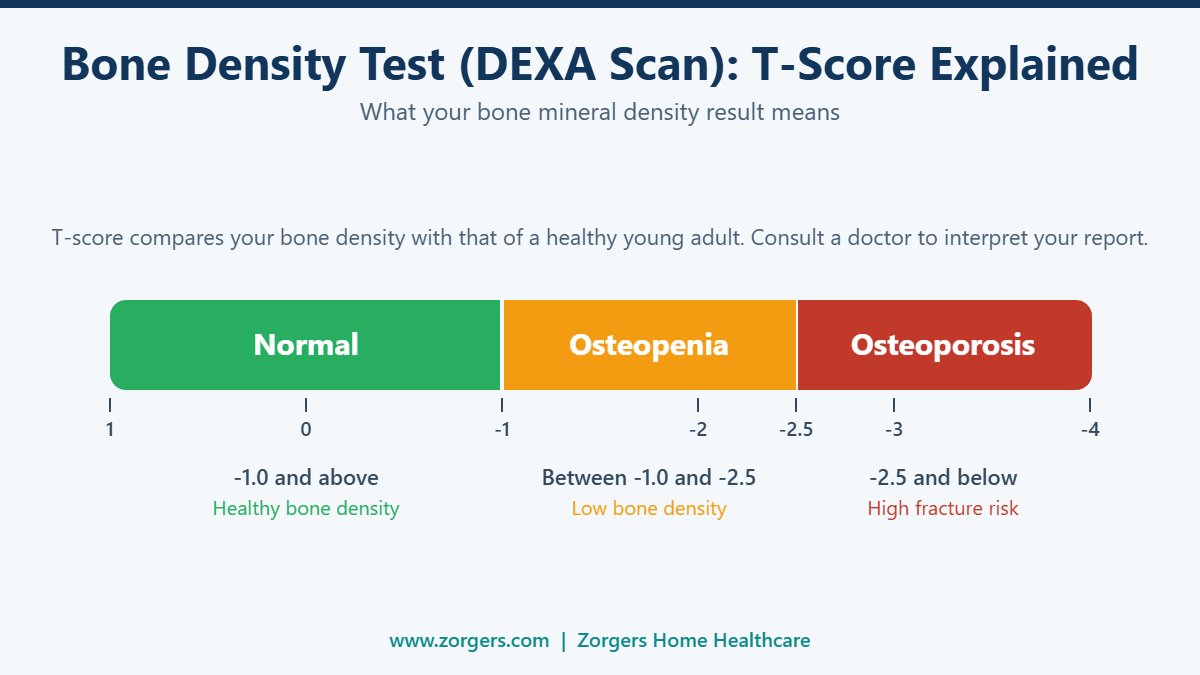
The most common test is a DEXA or DXA scan, which measures bone mineral density (see the NIH guide on osteoporosis), usually at the hip and spine.
The T-score generally indicates:
- -1.0 or above: Normal bone density
- Between -1.0 and -2.5: Low bone density (osteopenia)
- -2.5 or below: Osteoporosis
Doctors may also recommend blood tests to check calcium, vitamin D and other factors affecting bone health.
What Is the Treatment for Osteoporosis?
Osteoporosis treatment aims to slow bone loss, improve bone strength where possible and reduce the risk of fractures. Treatment depends on age, bone density, medical history and fracture risk.
1. Osteoporosis Medications
A doctor may prescribe medicines such as:
- Bisphosphonates: Help slow bone breakdown.
- Denosumab: Helps reduce bone loss and fracture risk.
- Teriparatide and abaloparatide: Help stimulate new bone formation in selected patients.
- Romosozumab: Helps increase bone formation and reduce bone breakdown in suitable patients.
The choice of osteoporosis medications should always be made by a qualified doctor after assessing individual risks and medical history.
2. Calcium and Vitamin D
Calcium supports bone structure, while vitamin D helps the body absorb calcium. Include foods such as milk, curd, paneer, ragi and fortified foods in a balanced diet. Supplements may be recommended when needed.
3. Exercise and Physiotherapy
Suitable physical activity can help maintain muscle strength, balance and mobility.
Walking, gentle strength training and supervised balance exercises (for example with a physiotherapist at home) may be helpful. People with severe osteoporosis or previous fractures should consult a healthcare professional before starting an exercise programme.
4. Fall Prevention
Older adults with weak bones should take precautions to prevent falls. If stairs are a challenge, staircase mobility assistance can reduce the risk.
- Keep floors dry and free from clutter.
- Install grab bars in bathrooms.
- Use suitable walking aids when recommended.
- Ensure proper lighting at home.
- Wear comfortable, non-slip footwear.
Can You Live a Normal Life With Severe Osteoporosis?
Yes, many people with severe osteoporosis can maintain a good quality of life with proper treatment and daily precautions.
A personalised care plan may include prescribed medication, balanced nutrition, safe physical activity, regular medical check-ups and fall prevention.
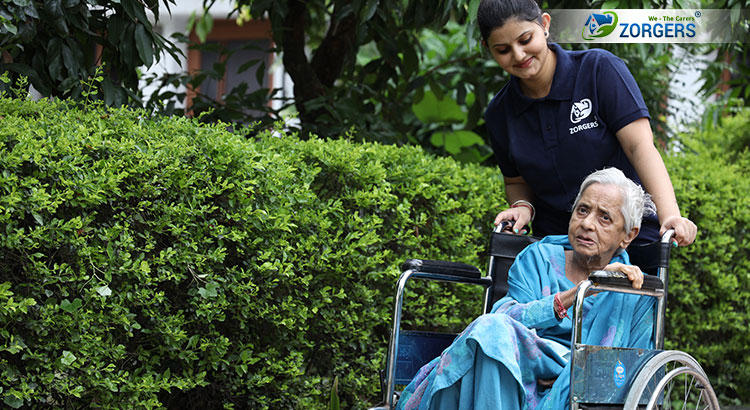
Family members and caregivers can also help older adults with mobility, daily activities and treatment routines. The goal is to reduce fracture risk while maintaining independence and confidence.
How Can Osteoporosis Be Prevented?
Although age and genetics cannot be changed, certain lifestyle habits can support stronger bones.
- Eat calcium-rich foods.
- Maintain adequate vitamin D levels.
- Stay physically active.
- Avoid smoking and limit alcohol.
- Maintain a healthy body weight.
- Discuss bone density screening with your doctor if you have risk factors.
- Make your home safer to reduce falls.
When Should You Consult an Osteoporosis Doctor?
Consider consulting an osteoporosis doctor if you experience a fracture after a minor fall, persistent back pain, unexplained height loss or changes in posture.
People with a family history of osteoporosis, menopause-related risk factors or long-term corticosteroid use should also discuss their bone health with a healthcare professional.
Early assessment can help identify bone loss and determine whether further testing or treatment is needed.
How Home Healthcare Can Support Older Adults With Osteoporosis
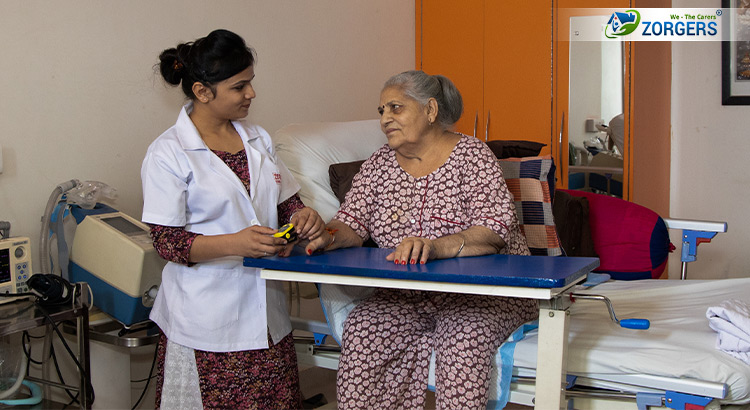
Older adults managing osteoporosis may need assistance with mobility, personal care, rehabilitation and everyday activities.

Zorgers Home Healthcare provides support through elderly care, patient care, nursing assistance, physiotherapy visits and doctor visits at home, depending on individual requirements.
To discuss home healthcare support, contact 87250-24124 or visit www.zorgers.com.
You may also find these guides helpful: Home Care After Hospital Discharge and Nurse vs Attendant vs Caregiver: Which One Do You Need at Home? For more on bone health worldwide, visit the International Osteoporosis Foundation.
Frequently Asked Questions About Osteoporosis
1. What is the main cause of osteoporosis?
The main cause is an imbalance between bone breakdown and bone formation. Ageing, hormonal changes, calcium deficiency and inactivity can contribute to bone loss.
2. What is osteoporosis and how is it treated?
Osteoporosis is a condition that weakens bones and increases fracture risk. Treatment may include prescription medicines, calcium, vitamin D, suitable exercise and fall prevention.
3. What are the symptoms of osteoporosis?
Common signs include fractures after minor injuries, back pain, loss of height and a stooped posture. However, early osteoporosis may have no noticeable symptoms.
4. Can you live a normal life with severe osteoporosis?
Yes. With appropriate treatment, safe physical activity, regular monitoring and fall prevention, many people can maintain independence and a good quality of life.
5. How is osteoporosis diagnosed?
A DEXA scan measures bone mineral density and helps doctors assess osteoporosis. Blood tests may also be recommended.
6. What are the common osteoporosis medications?
Common medicines include bisphosphonates, denosumab, teriparatide, abaloparatide and romosozumab. Treatment depends on individual medical needs.
7. Which foods are good for osteoporosis?
Milk, curd, paneer, ragi, fortified foods, nuts and green leafy vegetables can support bone health as part of a balanced diet.
8. What is the correct osteoporosis pronunciation?
Osteoporosis is commonly pronounced os-tee-oh-puh-ROH-sis.
9. Can osteoporosis be reversed?
Some treatments can improve bone density and reduce fracture risk. Results vary depending on the individual’s condition and treatment plan.
10. When should older adults get a bone density test?
Screening depends on age and individual risk. Women aged 65 and older and younger postmenopausal women with increased fracture risk should discuss screening with their doctor.
Final Thoughts
Osteoporosis can weaken bones and increase the risk of fractures, particularly in older adults. However, early diagnosis, appropriate treatment, balanced nutrition and fall prevention can help protect bone health.
With the right medical guidance and daily support, older adults can manage the condition and maintain a safer, more active lifestyle.
Medical Disclaimer: This article is for educational purposes only and does not replace professional medical advice, diagnosis or treatment. Consult a qualified healthcare professional for individual medical concerns.