
Hospital readmissions are one of the biggest challenges in modern healthcare systems. For many patients, especially seniors and individuals recovering from surgery or chronic illness, returning to the hospital shortly after discharge can lead to additional health risks, emotional stress, and increased healthcare costs.
In recent years, structured home healthcare programs have emerged as an effective solution to reduce unnecessary hospital readmissions while improving patient recovery and overall wellbeing.
By combining professional medical supervision, personalized care plans, and continuous monitoring at home, healthcare providers can help patients recover safely without frequent hospital visits.
Understanding the Problem of Hospital Readmissions
Hospital readmissions often occur when patients return to the hospital within a short period after being discharged. This can happen due to several reasons:
- Improper medication management
- Lack of continuous medical supervision
- Complications during recovery
- Poor mobility or rehabilitation support
- Chronic conditions that require ongoing monitoring
Elderly patients are particularly vulnerable to these risks. After leaving the hospital, they may struggle with daily activities, medication schedules, and follow-up care, which increases the likelihood of complications.
Structured home healthcare programs are designed specifically to address these gaps in post-hospital recovery.
The Role of Structured Home Healthcare Programs
Structured home healthcare programs focus on providing professional medical and caregiving support in the comfort of a patient’s home. These programs involve coordinated services that ensure patients continue receiving medical attention even after leaving the hospital.
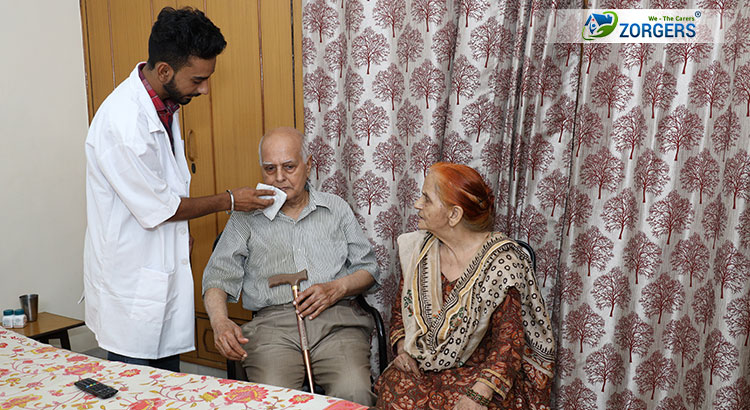
Services such as Patient Care – General Nursing play a vital role in monitoring recovery, assisting with medication schedules, and observing early warning signs that may otherwise lead to readmission.
Similarly, trained caregivers and patient attendants can assist patients with daily activities, mobility support, and basic health monitoring, ensuring that recovery continues smoothly.
Critical Care Support at Home
In some cases, patients require advanced medical supervision even after discharge from the hospital. Structured home healthcare programs make it possible to provide hospital-level care in a home environment.
Services like ICU Care – Critical Care and ICU setup at home allow patients with serious conditions to continue receiving specialized monitoring without prolonged hospital stays.
Respiratory support systems such as oxygen concentrators, BiPAP/CPAP, and other respiratory equipment can also be arranged at home to help patients with breathing disorders or post-critical illness recovery.
This approach not only reduces hospital congestion but also provides a more comfortable recovery environment for patients.
Rehabilitation and Physiotherapy at Home
Recovery from surgery, stroke, or injury often requires continuous rehabilitation.
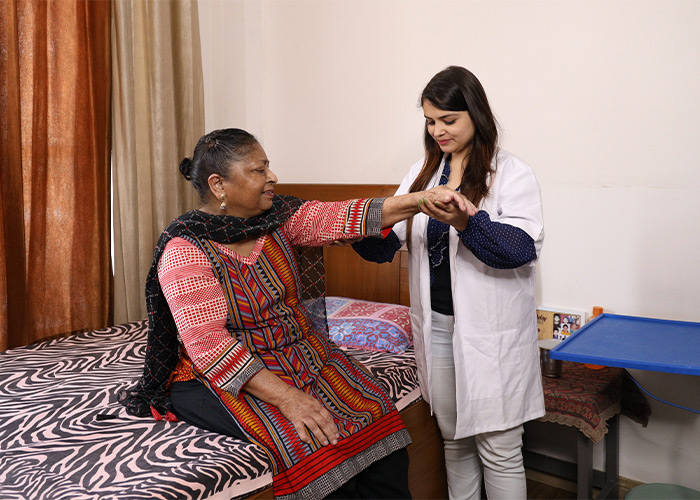
Professional physiotherapists play an essential role in helping patients regain mobility, rebuild strength, and prevent complications that may lead to hospital readmission.
Home physiotherapy programs are particularly beneficial for elderly patients who may find it difficult to travel frequently for rehabilitation sessions.
Regular physiotherapy sessions at home can significantly improve recovery outcomes and reduce the risk of complications.
Continuous Health Monitoring at Home
One of the most important factors in preventing hospital readmissions is early detection of health issues.
Modern home healthcare programs include diagnostic services such as ECG at Home, which allows doctors to monitor heart health without requiring hospital visits.
Routine preventive lab tests and health monitoring can identify potential complications before they become serious.
This proactive approach allows healthcare professionals to adjust treatment plans quickly and avoid emergency hospitalizations.
The Importance of 24-Hour Support
Some patients require constant supervision, especially those recovering from major surgery or managing chronic illnesses.
Services like Live-in Care – 24 Hours Care provide continuous support from trained caregivers who assist with daily routines, medication reminders, hygiene, and mobility.
Having a caregiver present around the clock ensures that patients receive immediate assistance if any health concerns arise.
This constant monitoring significantly reduces the chances of complications that could lead to hospital readmissions.
Supporting Families, Including NRI Care Coordination
Structured home healthcare programs are particularly valuable for families who live far away from their loved ones.
Services like NRI Family Care help families stay informed about their parents’ health while ensuring professional caregivers and medical teams are providing the necessary support.
Regular updates, medical reports, and coordinated care plans allow families to stay involved in decision-making even if they are living abroad.
This integrated approach provides both safety for patients and peace of mind for families.
Benefits of Structured Home Healthcare Programs
When properly implemented, structured home healthcare programs offer several important benefits:
- Reduced risk of hospital readmissions
- Faster recovery in a familiar home environment
- Continuous monitoring by trained professionals
- Improved medication management
- Access to diagnostic services at home
- Enhanced emotional comfort for patients
For healthcare providers and families alike, this model represents a smarter and more sustainable approach to long-term patient care.
The Future of Patient Recovery
As healthcare systems continue to evolve, home healthcare is becoming an essential part of the patient recovery journey. Instead of relying solely on hospital-based treatment, structured home healthcare programs ensure that patients receive consistent, high-quality care even after discharge.
By combining professional caregivers, medical monitoring, physiotherapy, and diagnostic services at home, healthcare providers can significantly reduce hospital readmissions and improve long-term patient outcomes.
Ultimately, the goal is simple: to provide safe, effective, and compassionate care where patients feel most comfortable — at home.