
Modern healthcare is going through a quiet revolution. For decades, the focus was simple: diagnose the illness, prescribe treatment, and aim for a cure. Hospitals were the center of this universe. Success was measured in surgical precision, breakthrough drugs, and survival rates.
But today, patients, families, and healthcare professionals are realizing something deeper:
healing is not only about curing disease — it’s about care.
Care is the human side of healthcare. It is the emotional support, the daily assistance, the dignity, and the environment in which recovery happens. In a world facing aging populations, chronic illnesses, mental health challenges, and rising healthcare costs, care is no longer secondary. It is becoming central.
This shift is redefining modern healthcare — especially in home healthcare services across India.
The Limits of a Cure-Only Healthcare Model
A cure-focused system works best for acute medical emergencies: a broken bone, an infection, a surgical procedure. But many modern health challenges don’t have simple cures.
Chronic conditions like:
Diabetes
Dementia and Alzheimer’s
Stroke recovery
Parkinson’s disease
Cancer aftercare
Long-term disability
Post-surgery rehabilitation
require continuous care, not just a one-time medical intervention.
Patients often leave hospitals medically stable but emotionally fragile and physically dependent. Without structured care, many experience complications, readmissions, or slow recovery. Families become overwhelmed. Stress rises. Healing slows.
This is where care becomes more powerful than cure.
Healing Happens in Environments of Comfort
Scientific research increasingly shows that recovery is faster when patients feel emotionally safe and physically comfortable. Home environments offer:
Familiar surroundings
Family presence
Personalized routines
Reduced infection risk
Better mental well-being
Hospitals are essential for acute treatment, but they are not designed for long-term living. Home healthcare bridges that gap by bringing professional medical care into the patient’s personal space.
This model respects both clinical needs and human emotions.
Care is no longer a luxury — it’s a medical necessity.
The Rise of Home Healthcare in India
India is witnessing rapid growth in home healthcare services due to urbanization, nuclear families, and an aging population. Cities across North India are seeing increased demand for:
Home nursing services
Elder care at home
ICU setup at home
Physiotherapy at home
Medical equipment on rent
Post-hospital recovery care
Families want hospital-level expertise without removing loved ones from their emotional support systems.
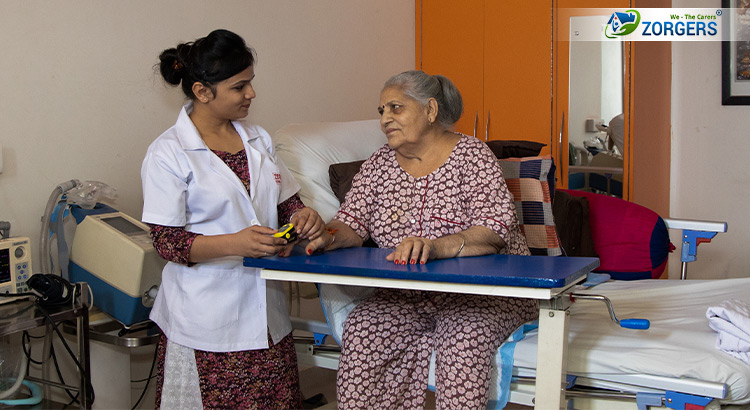
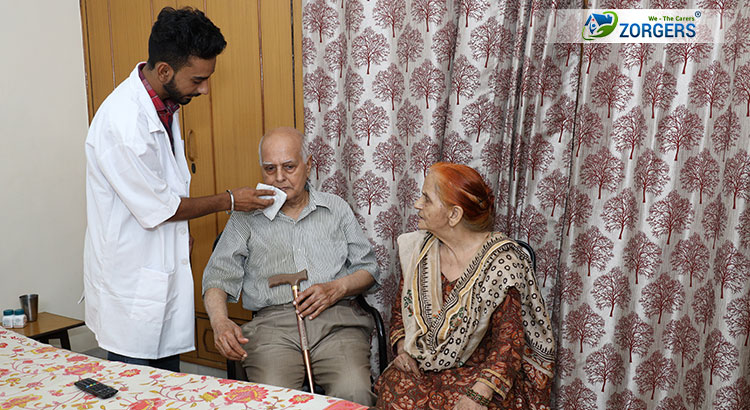
Professional caregivers now play a critical role in healthcare outcomes. They assist with medication management, mobility support, hygiene care, nutrition, and emotional companionship — the daily elements that determine whether a patient truly recovers.
This is the care economy rising alongside the cure economy.
Emotional Care Is Clinical Care
One of the biggest misconceptions in healthcare is separating emotional care from medical care.
Stress increases inflammation. Loneliness worsens recovery. Depression slows healing. Anxiety affects immunity. Emotional states are biologically connected to physical health.
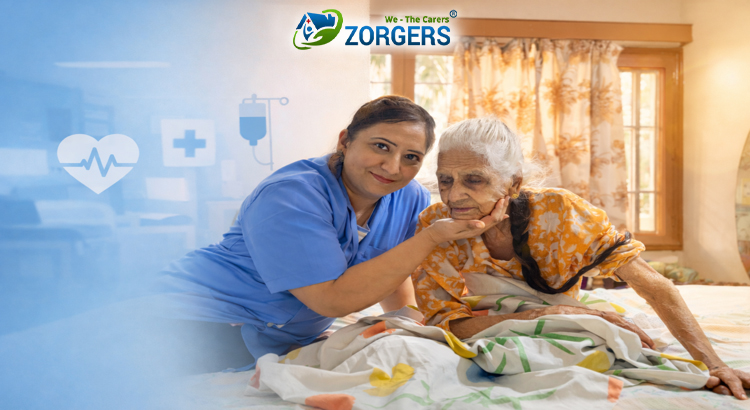
A compassionate caregiver who talks, listens, reassures, and comforts is not just providing kindness — they are improving clinical outcomes.
In dementia and elderly care especially, emotional stability often determines physical stability. Patients who feel respected and understood show better cooperation with therapy and medication.
“Care is medicine”
Aging Populations Are Changing Healthcare Priorities
India’s elderly population is expanding rapidly. Longer lifespans are a medical achievement — but they also require sustained caregiving systems.
Older adults often live with multiple chronic conditions simultaneously. They don’t just need treatment. They need:
Assistance with daily activities
Fall prevention
Medication supervision
Cognitive engagement
Companionship
Dignified support
Families alone cannot always manage this burden, especially in working households. Professional elder care services are becoming essential infrastructure for modern societies.
Healthcare is no longer episodic. It is continuous.
And continuity is built through care.
Hospitals Save Lives. Care Sustains Them.
Hospitals are extraordinary institutions. They perform miracles every day. But even the best hospital cannot replace 24/7 personalized attention at home.
The future of healthcare is hybrid:
Hospitals for acute treatment
Home healthcare for long-term recovery
Caregivers for daily support
Families for emotional strength
This ecosystem reduces hospital overload, lowers healthcare costs, and improves patient satisfaction.
The goal is not to replace cure with care — it is to balance them.
Cure starts recovery. Care completes it.
Technology Is Supporting the Care Revolution
Modern home healthcare is not informal caregiving. It is supported by advanced tools:
Remote patient monitoring
Telemedicine consultations
Home ICU equipment
Smart medication tracking
Digital health records
Wearable health devices
Technology allows professional caregivers and doctors to collaborate seamlessly. Patients receive hospital-grade monitoring without leaving home.
This integration of technology and compassion is redefining healthcare delivery.
The Human Future of Healthcare
Healthcare is returning to its original philosophy: to heal the person, not just the disease.
Patients want to feel seen, heard, and valued. Families want reassurance. Caregivers want recognition. Doctors want better long-term outcomes.
Care fulfills all these needs.
As healthcare systems evolve, success will not be measured only by survival rates, but by quality of life, dignity, and comfort.
The real victory is not just extending life — it is enriching it.
Conclusion: Care Is the New Standard of Healing
Modern healthcare is discovering a truth humanity always knew: healing is relational.
Medicine treats the body. Care treats the person.
The most advanced healthcare systems in the future will be those that integrate both seamlessly — combining science with compassion, technology with touch, and cure with care.
Because in the end, people don’t just want to survive.
They want to live well.