
ISO CERTIFIED 9001:2015

 ISO
CERTIFIED 9001:2015
ISO
CERTIFIED 9001:2015
For Service:
8725024124
Job/नौकरी:
7347003774
ISO
CERTIFIED 9001:2015

Zorgers provides Parkinson's disease care at home in Mohali across all phases including Phase 1-11, Kharar, and Zirakpur. Our trained Parkinson's caregivers, physiotherapists, and nursing staff offer personalised home care that helps patients maintain independence and quality of life.
Numbers that reflect the trust families place in Zorgers, every single day.
 12+
Years of Trust
12+
Years of Trust
Delivering reliable care since 2013
 99.9%
Care Continuity
99.9%
Care Continuity
Almost 0% interruption in services
 4.8+
Star Rating
4.8+
Star Rating
Across platforms - Google, FB, Trustpilot
 100%
Verified Caregivers
100%
Verified Caregivers
Background, Aadhaar & Police Verified
 24
Hours TAT
24
Hours TAT
For onboarding a new home care case
 4
Hours Delivery
4
Hours Delivery
Instant delivery of medical equipment
Understanding the stage helps us design the right care plan for your loved one
Tremors and movement symptoms on one side of the body only. Daily activities largely unaffected. Physiotherapy and light caregiver assistance recommended to slow progression.
MILDSymptoms appear on both sides of the body. Balance slightly affected. Patients can still live independently but benefit greatly from physiotherapy at home and occupational therapy.
MODERATESignificant balance impairment and increased fall risk. Daily tasks become difficult. Part-time caregiver support at home is essential. Zorgers provides trained attendants for this stage.
MOD-SEVEREPatient requires significant assistance for daily activities and cannot stand without support. Full-time home care by a trained Parkinson's caregiver or nurse is recommended.
SEVEREPatient may be wheelchair-bound or bedridden, requiring round-the-clock nursing care. Zorgers provides 24-hour home care, ICU nurses, and specialised assistive equipment.
ADVANCEDDiagnosed before age 50. Patients are often still working and need a care plan that supports independence while managing symptoms. Zorgers customises care for every life stage.
SPECIALISEDOur caregivers and therapists are trained to manage all primary and secondary Parkinson's symptoms
Involuntary shaking of hands, fingers, or limbs at rest. Caregivers assist with daily tasks affected by tremors such as eating, writing, and dressing.
Slowness of movement making simple tasks very time-consuming. Caregivers provide patient, skilled assistance without rushing or stressing the patient.
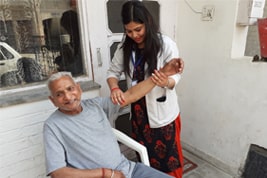
Muscle stiffness causing pain and reduced range of motion. Physiotherapists perform passive stretching and mobility exercises to manage rigidity.
Postural instability puts patients at high fall risk. We implement fall prevention strategies, home safety modifications, and supervised mobility routines.
Sudden inability to initiate movement. Caregivers are trained in verbal and visual cueing techniques to safely help patients move through freezing.
Soft voice, slurred speech, and dysphagia are common. Speech therapists provide LSVT LOUD therapy and swallowing rehabilitation at home.
Memory difficulties and dementia in advanced stages. Caregivers are trained in cognitive engagement and dementia care protocols to support gently.
Parkinson's disrupts sleep with vivid dreams and restlessness. Night-care attendants provide supervised safe sleep and alert caregiving through the night.
From your first call to continuous at-home care - a seamless, supported journey for your family
Call us at (+91) 8725024124 or fill the enquiry form. Our care coordinator responds within 2 hours with a personalised response.
A Zorgers care manager visits your home to assess the patient's Parkinson's stage, specific needs, and the home care environment.
A trained, verified Parkinson's caregiver or nurse is deployed within 24-48 hours. Your neurologist stays informed throughout.
A complete range of Parkinson's home care services - from trained attendants to specialist therapists - all at your doorstep.
All Zorgers Parkinson's caregivers undergo disease-specific training covering tremor management, freezing episode response, cueing techniques, safe transfer methods, and medication adherence protocols.
With over 10 years of home healthcare delivery across North India, Zorgers has served thousands of families managing progressive neurological conditions. Care managers are available 7 days a week.
Every caregiver is verified through police background checks, reference verification, and clinical skill assessment. View your caregiver's profile before deployment through our platform.
We assess each patient's Parkinson's stage, symptom severity, daily routine, and family support before creating a care plan. Plans are reviewed monthly and adjusted as the condition progresses.
Zorgers care managers share daily care reports with the treating neurologist, flag symptom changes, and ensure medication timings align with the prescribed protocol including on/off periods.
Parkinson's care at home in Chandigarh, Mohali, Panchkula, Delhi, Gurugram, Noida, Ludhiana, Jalandhar, Patiala, and Ambala. Same-day deployment available in most cities after assessment.
Step
Face-2-face interaction, assessment about healthcare knowledge, skills, suitability for healthcare role.
Step
Decoding the healthcare skills, documentation about experience, education, personal attributes, ID Proofs.
Step
Aadhaar card verification, background and family verification by call. We support family members in initiating police verification if they wish to.
Step
Orientation, Healthcare trainings and continuous feedback through the healthcare assignments of Caregivers.
Step
Orientation, Healthcare trainings and continuous feedback through the healthcare assignments of Caregivers.


My father was suffering from Parkinson's disease and Zorgers arranged a trained caregiver within 48 hours. The caregiver was skilled in managing freezing episodes and knew exactly how to help with transfers safely. Zorgers is doing a great job in patient care.
We were struggling to manage my mother-in-law's Parkinson's at home after Stage 4 diagnosis. Zorgers sent a specialised caregiver and also arranged physiotherapy sessions at home. The LSVT BIG exercises have noticeably improved her gait. Highly recommend.
Finding a caregiver who understands Parkinson's tremors and on/off periods is very difficult. Zorgers matched us with exactly the right person. She manages my father's medication timing and communicates daily updates to his neurologist. Excellent coordination.
My father had two bad falls before we contacted Zorgers. Their care manager visited the home, assessed the fall risks, and arranged grab bars and a walker. The caregiver is trained in Parkinson's cueing techniques. No falls in three months now.
I live abroad and my parents are in Ludhiana. My father's Parkinson's was advancing and we needed a trustworthy partner. Zorgers has been exceptional - daily reports, on-call support, and a caregiver who genuinely cares. Couldn't have managed without them.
We used Zorgers for Parkinson's physiotherapy at home for my husband. The physiotherapist is very experienced with neurological patients and the exercises have helped tremendously with rigidity and slow movement. Very professional and punctual service.
1,800/-
2,200/-
2,500/-
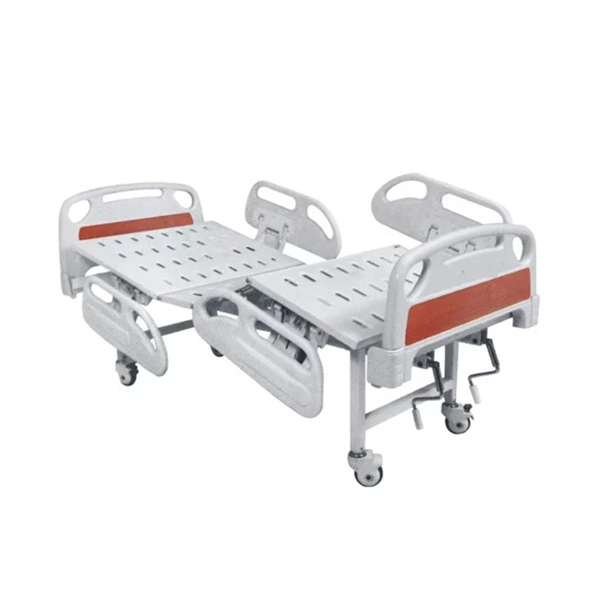
3,000/-
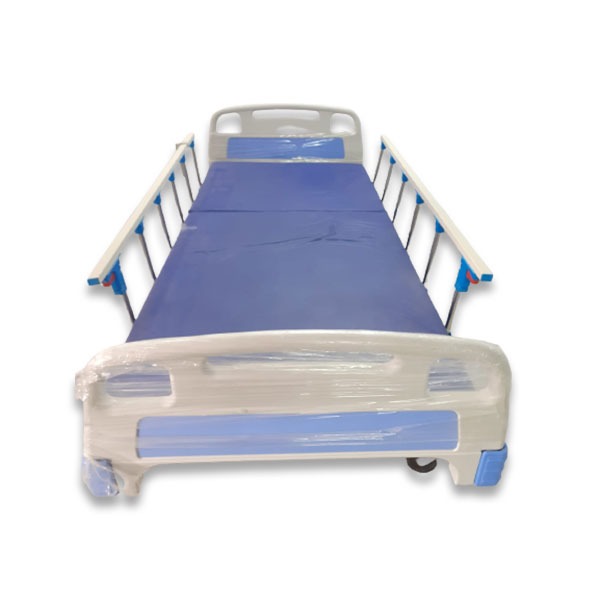
3,990/-
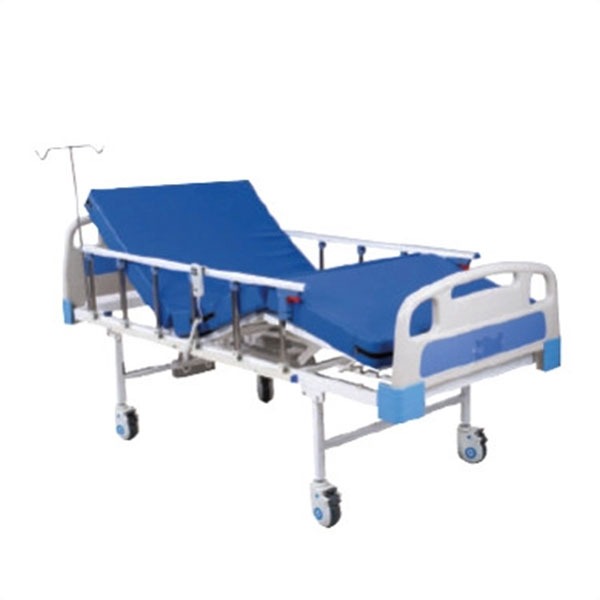
4,590/-
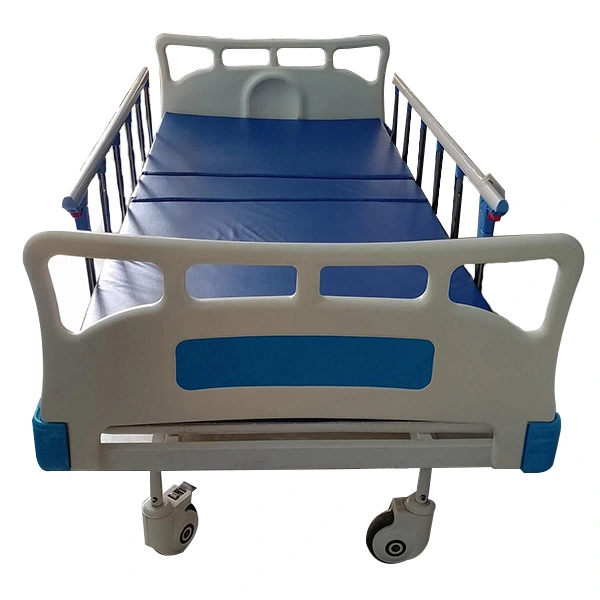
6,500/-
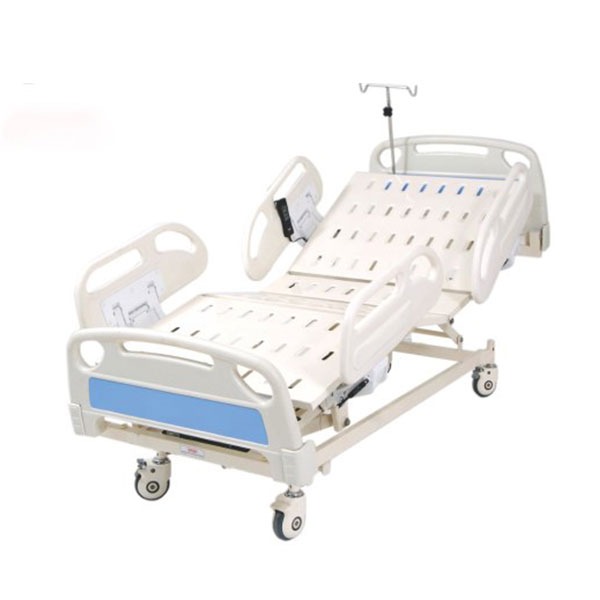
7,590/-
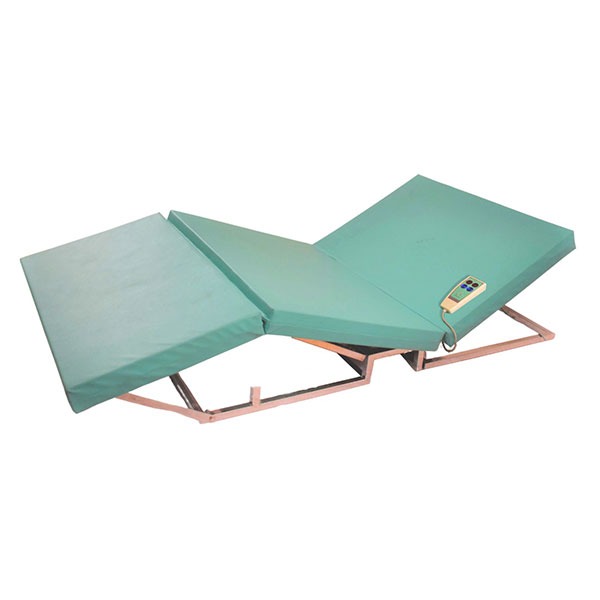
3,000/-
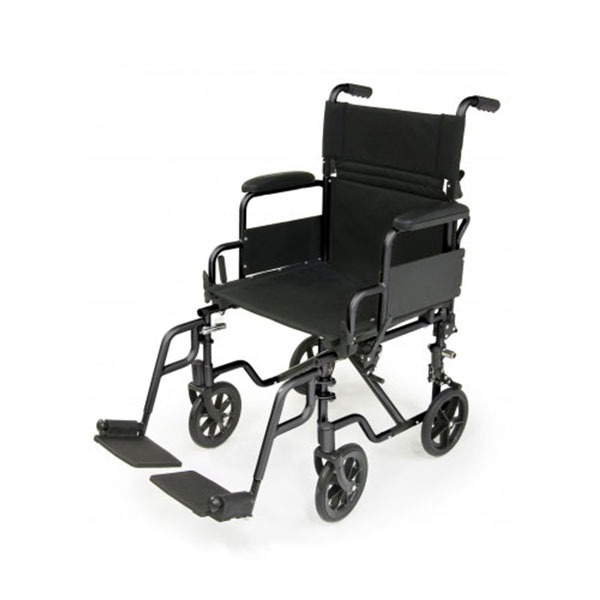
1,000/-
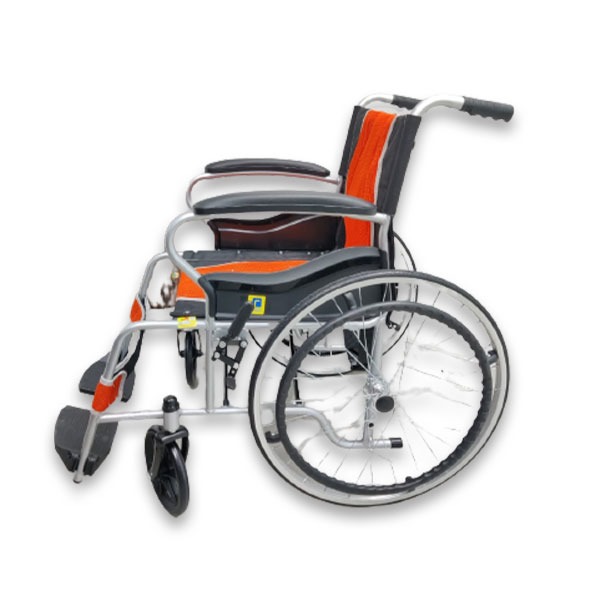
1,000/-
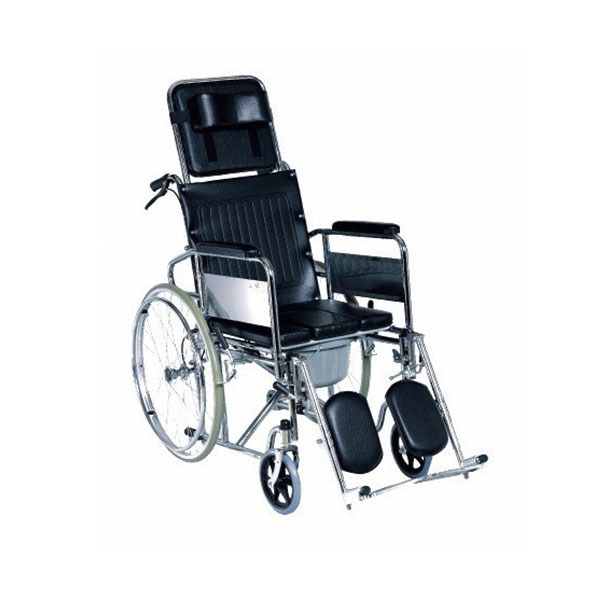
2,000/-
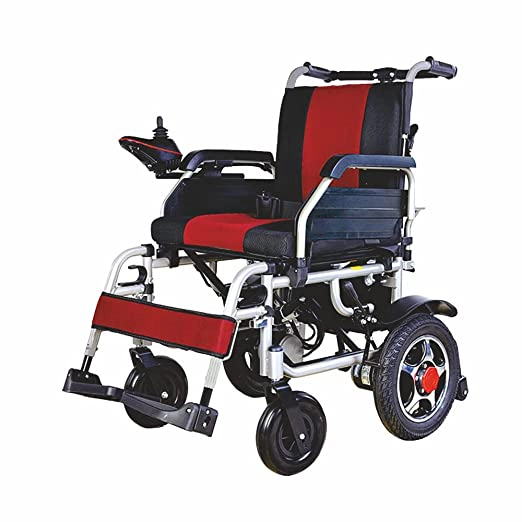
4,500/-
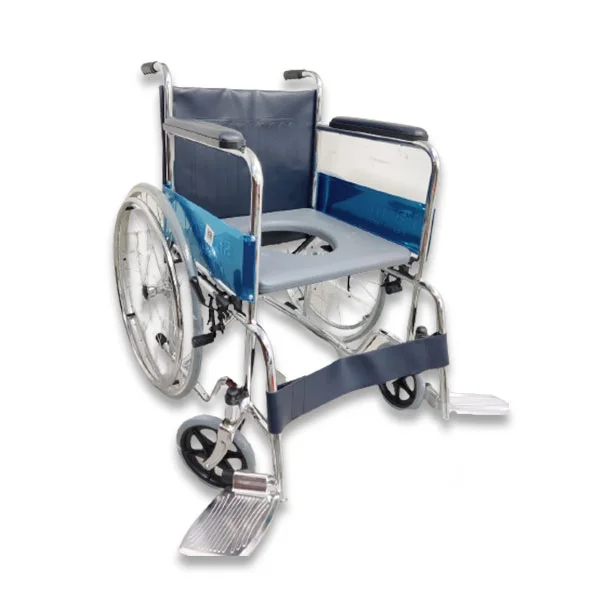
1,500/-
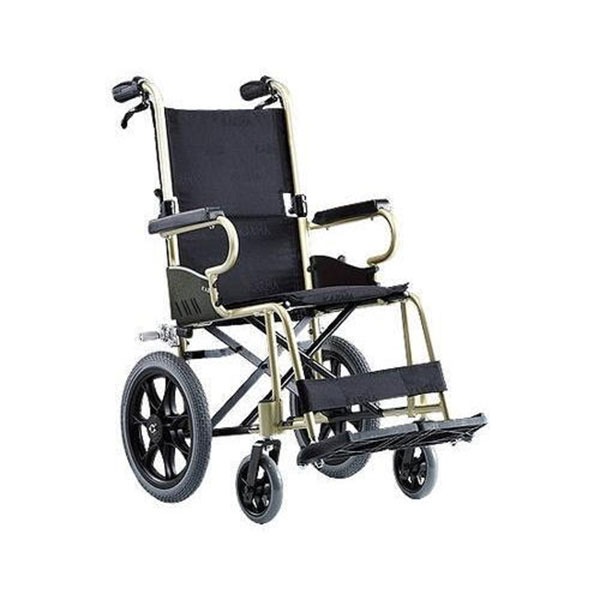
1,200/-
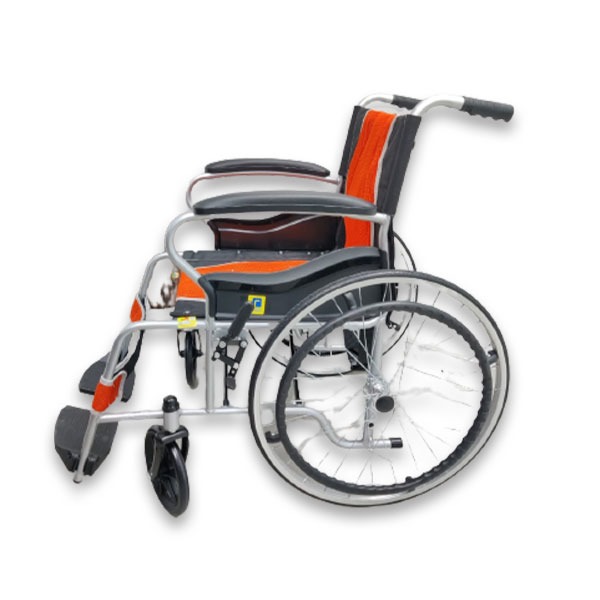
1,500/-
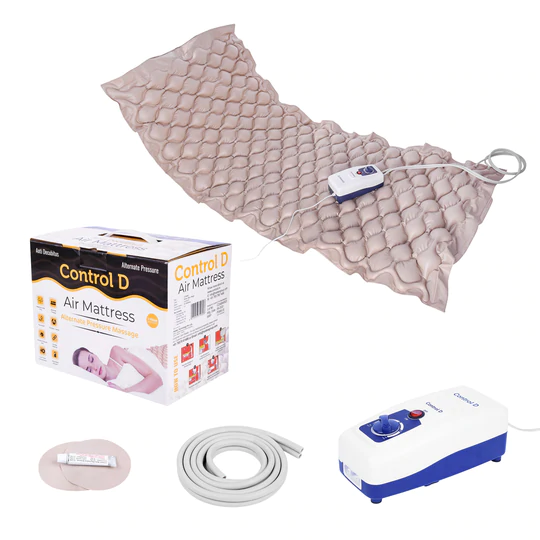
Not Applicable/-
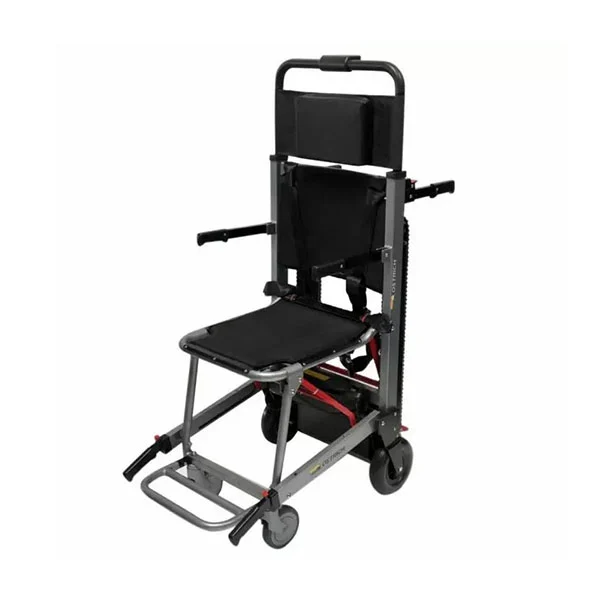
12,000/-
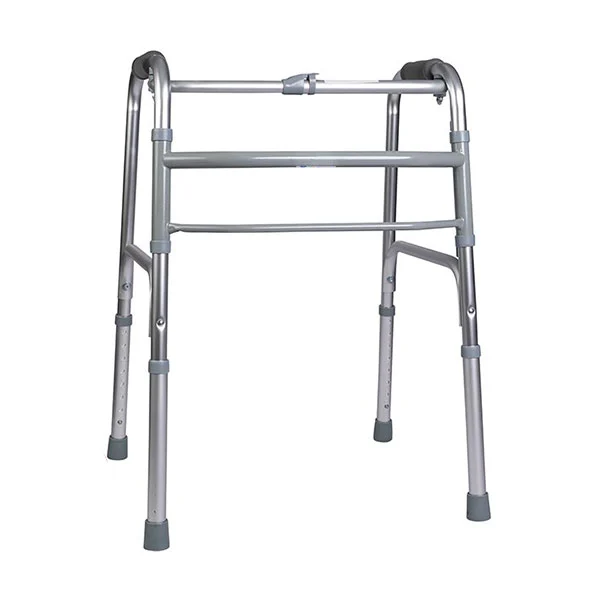
800/-
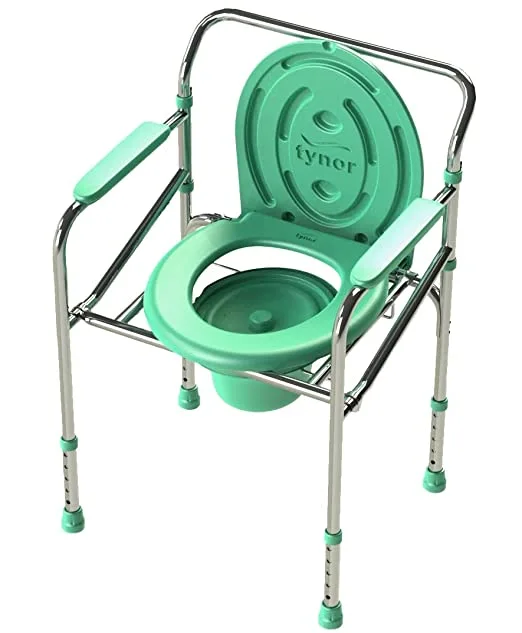
1,500/-
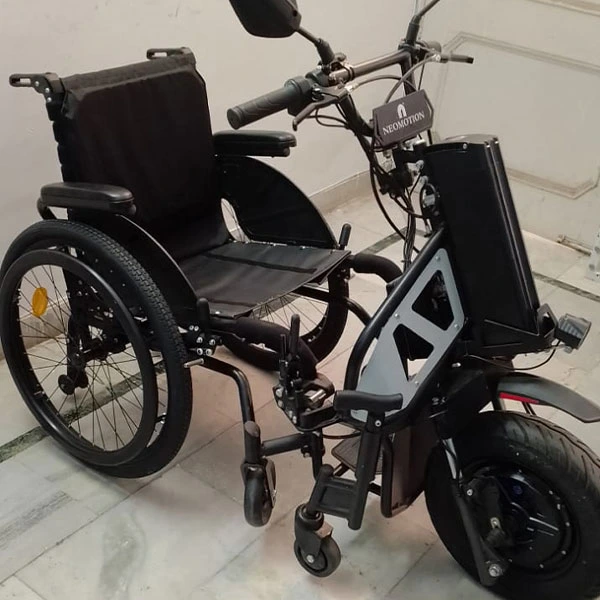
Not Applicable/-
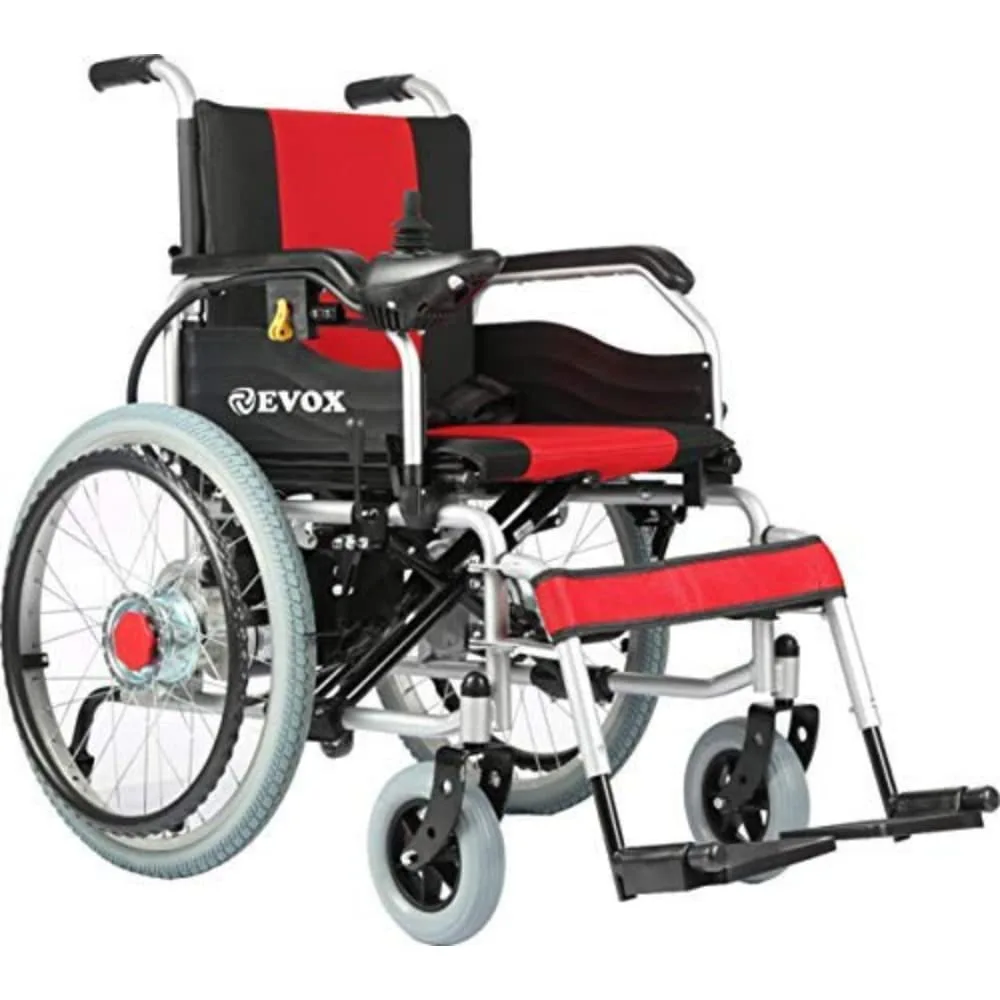
Not Applicable/-
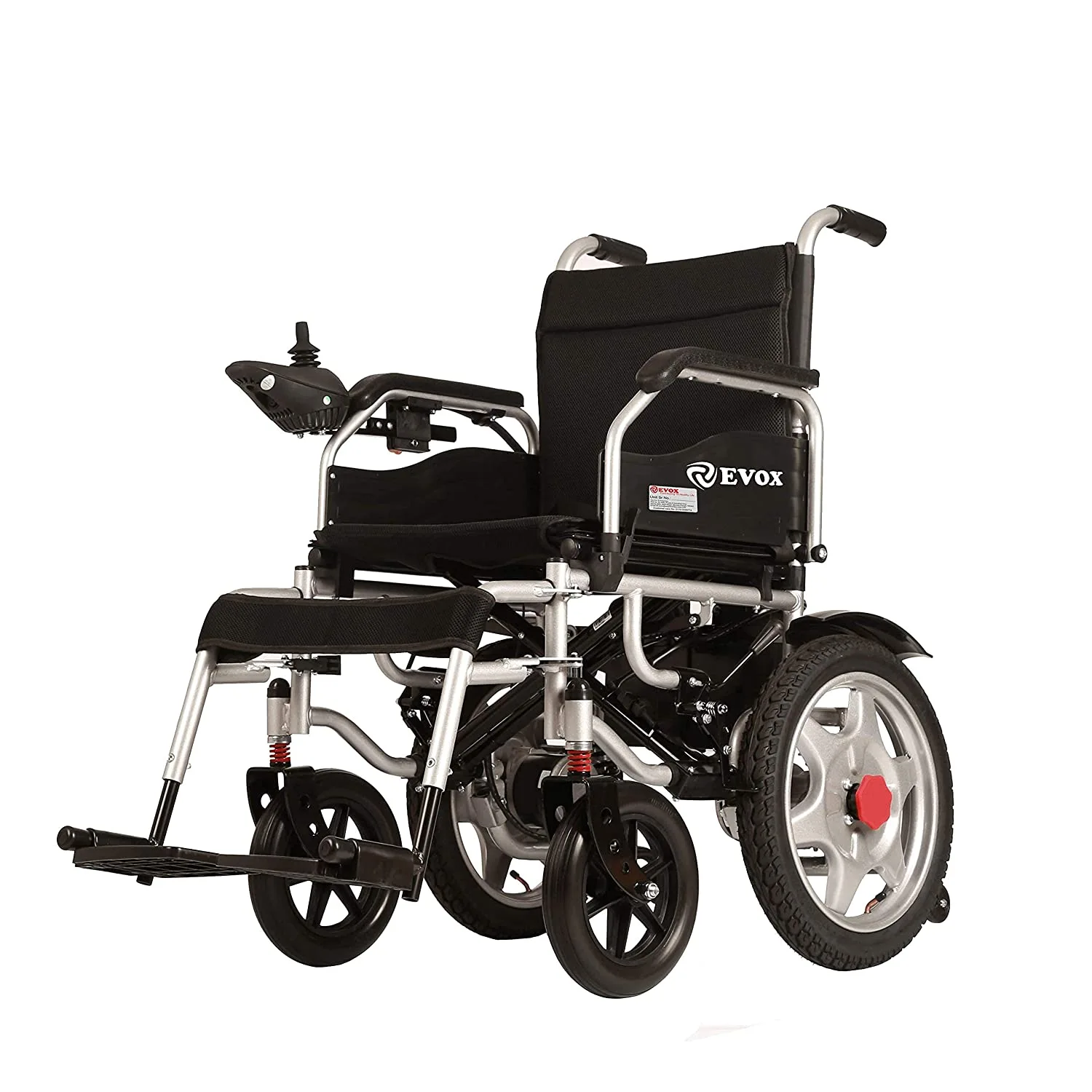
Not Applicable/-
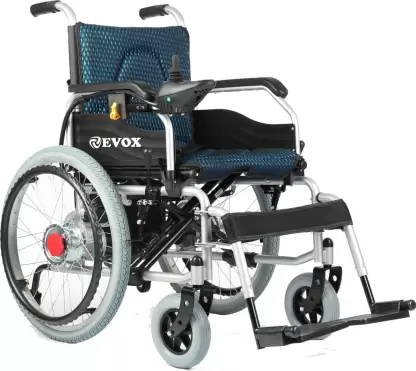
Not Applicable/-
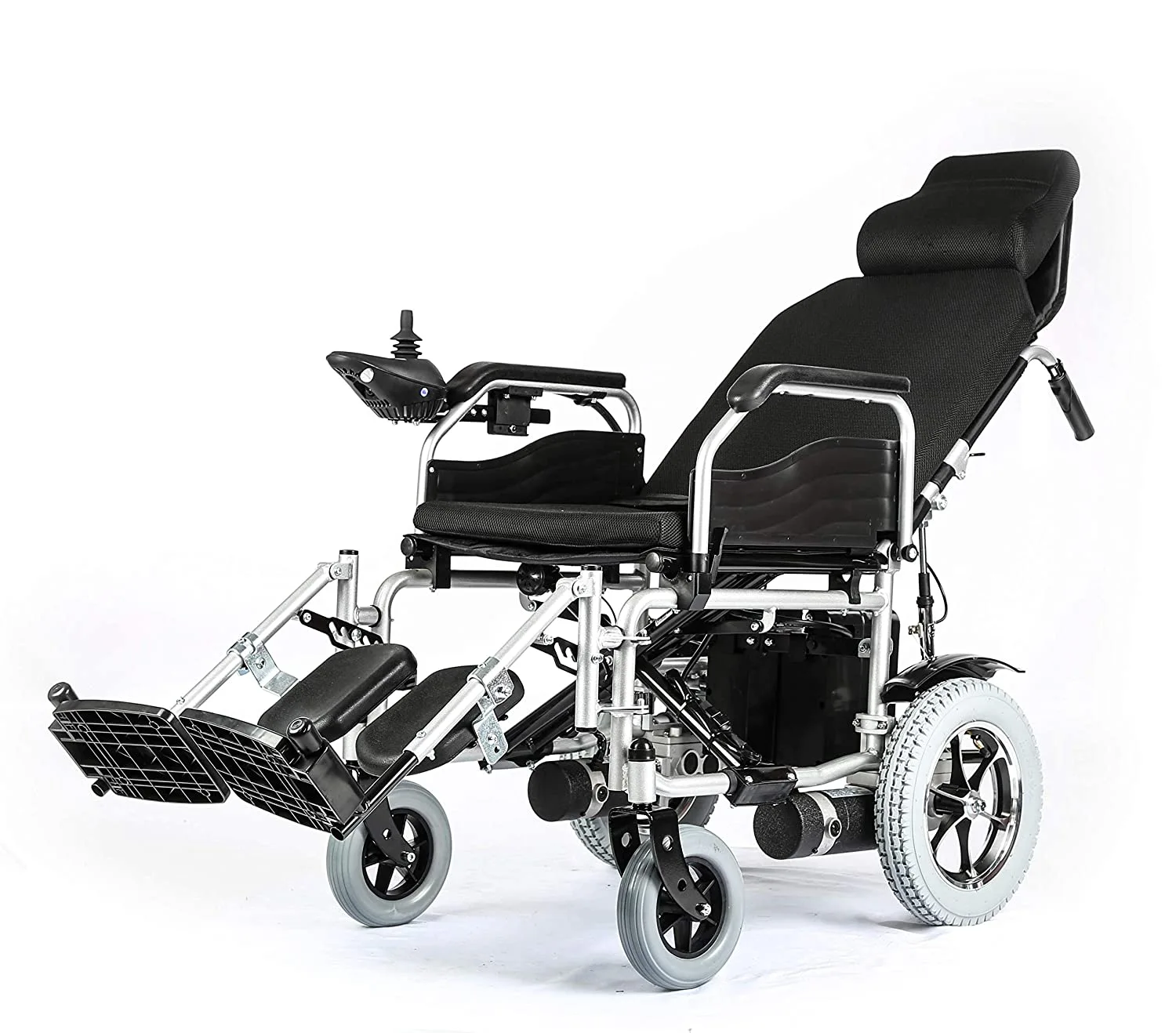
Not Applicable/-
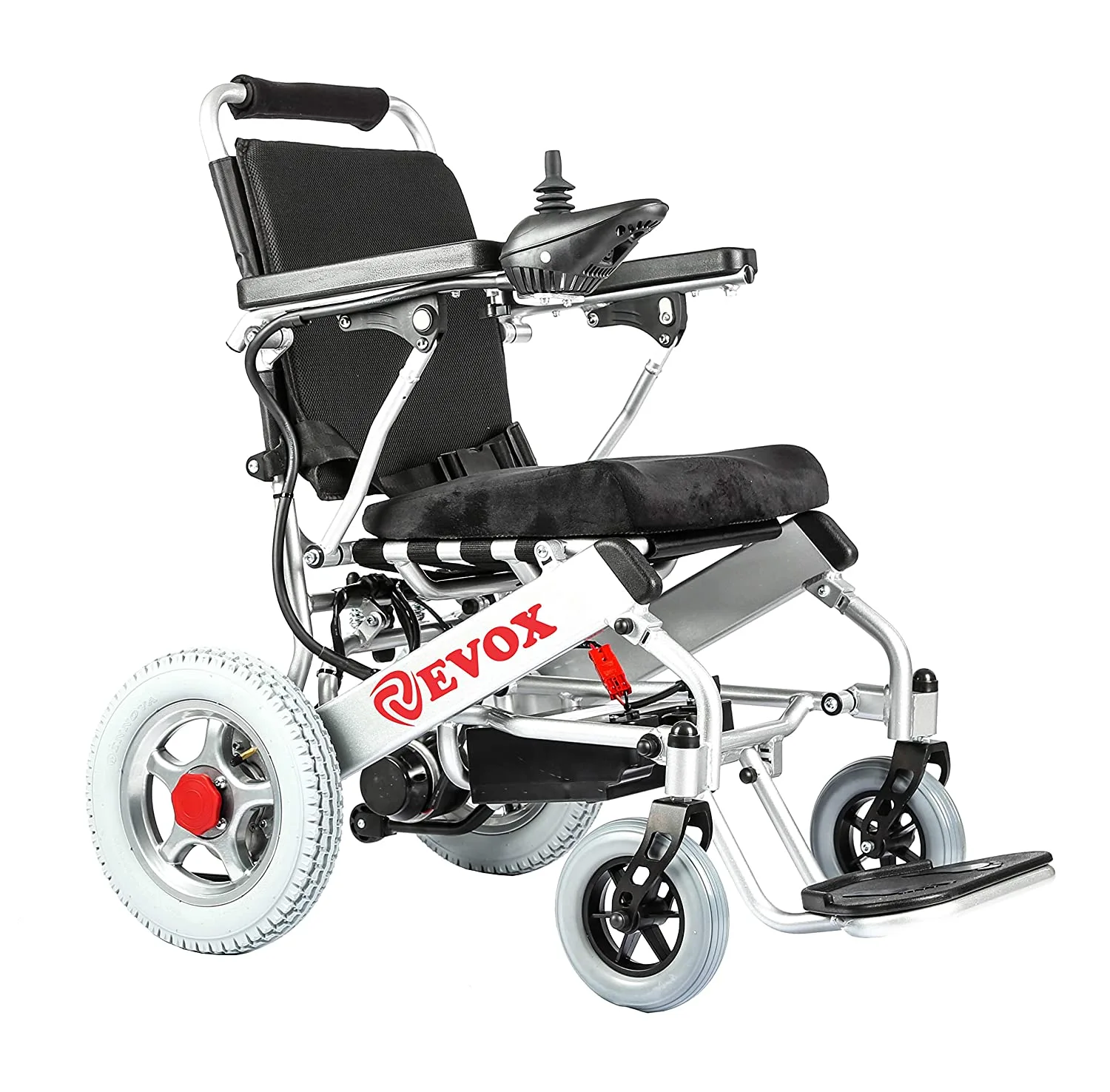
Not Applicable/-
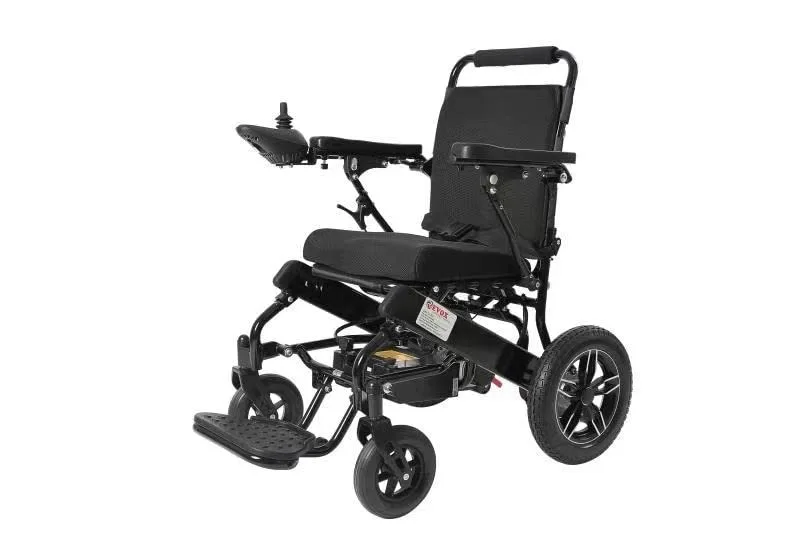
Not Applicable/-
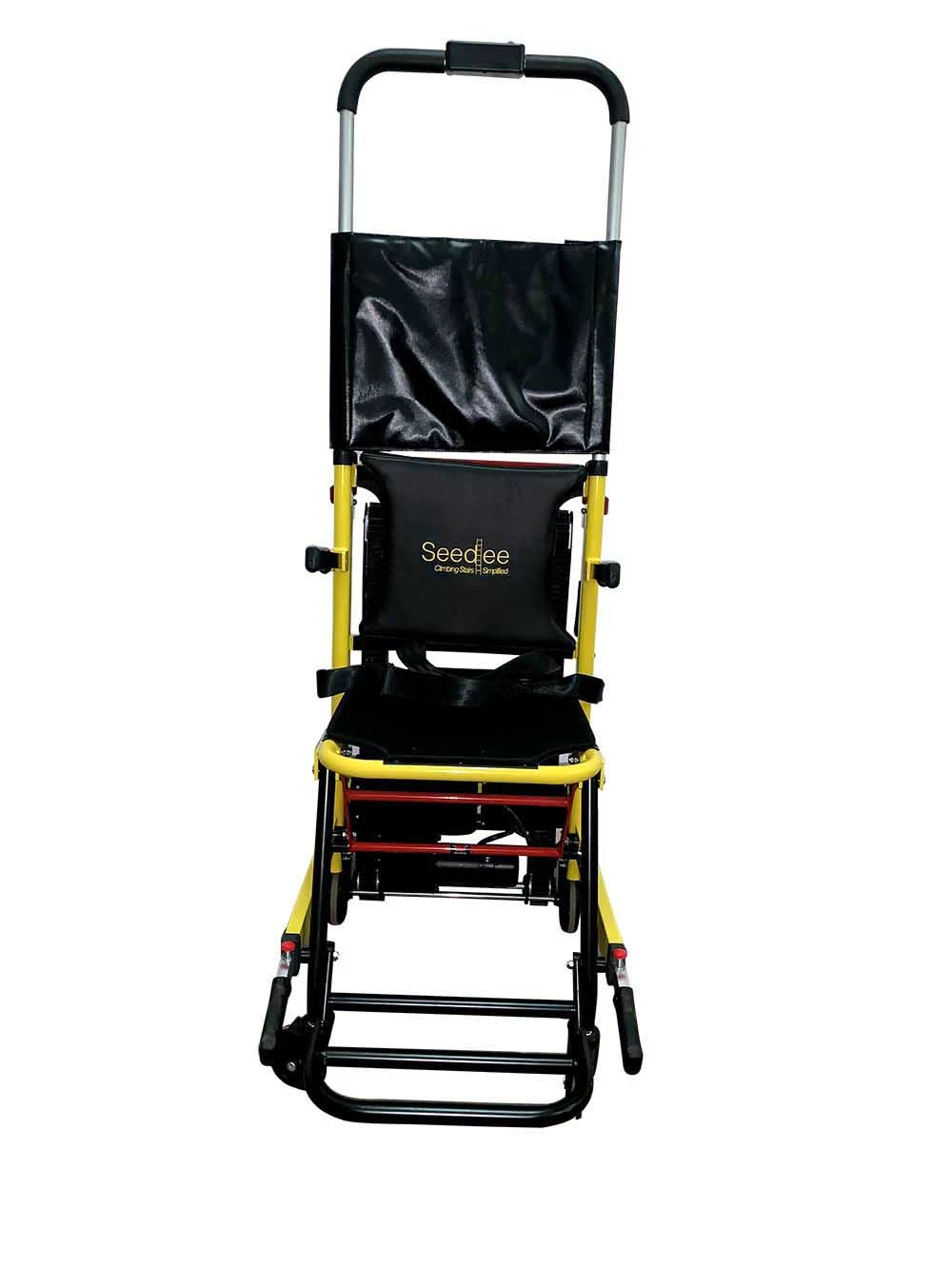
14,000/-
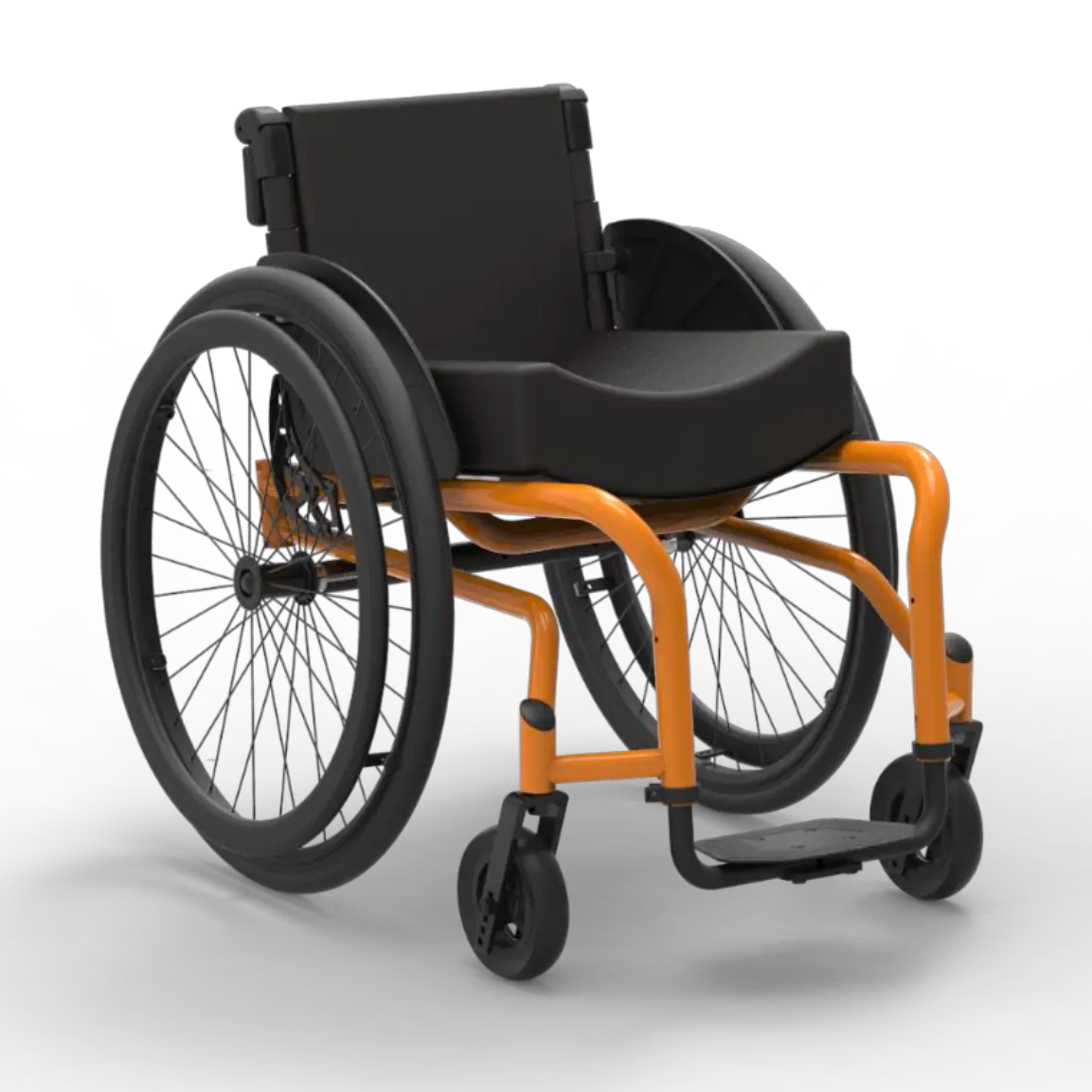
Not Applicable/-
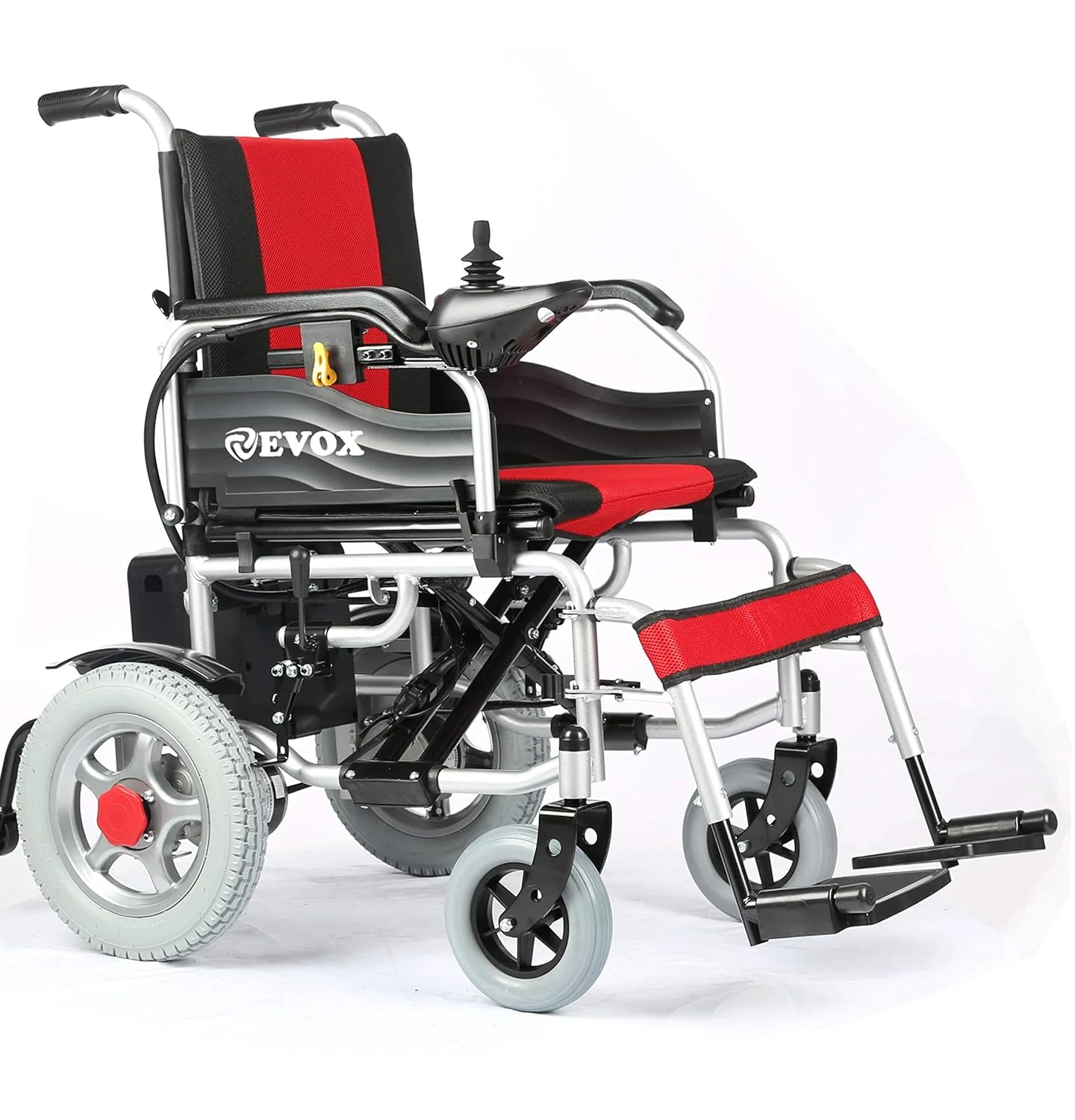
Not Applicable/-
Not Applicable/-
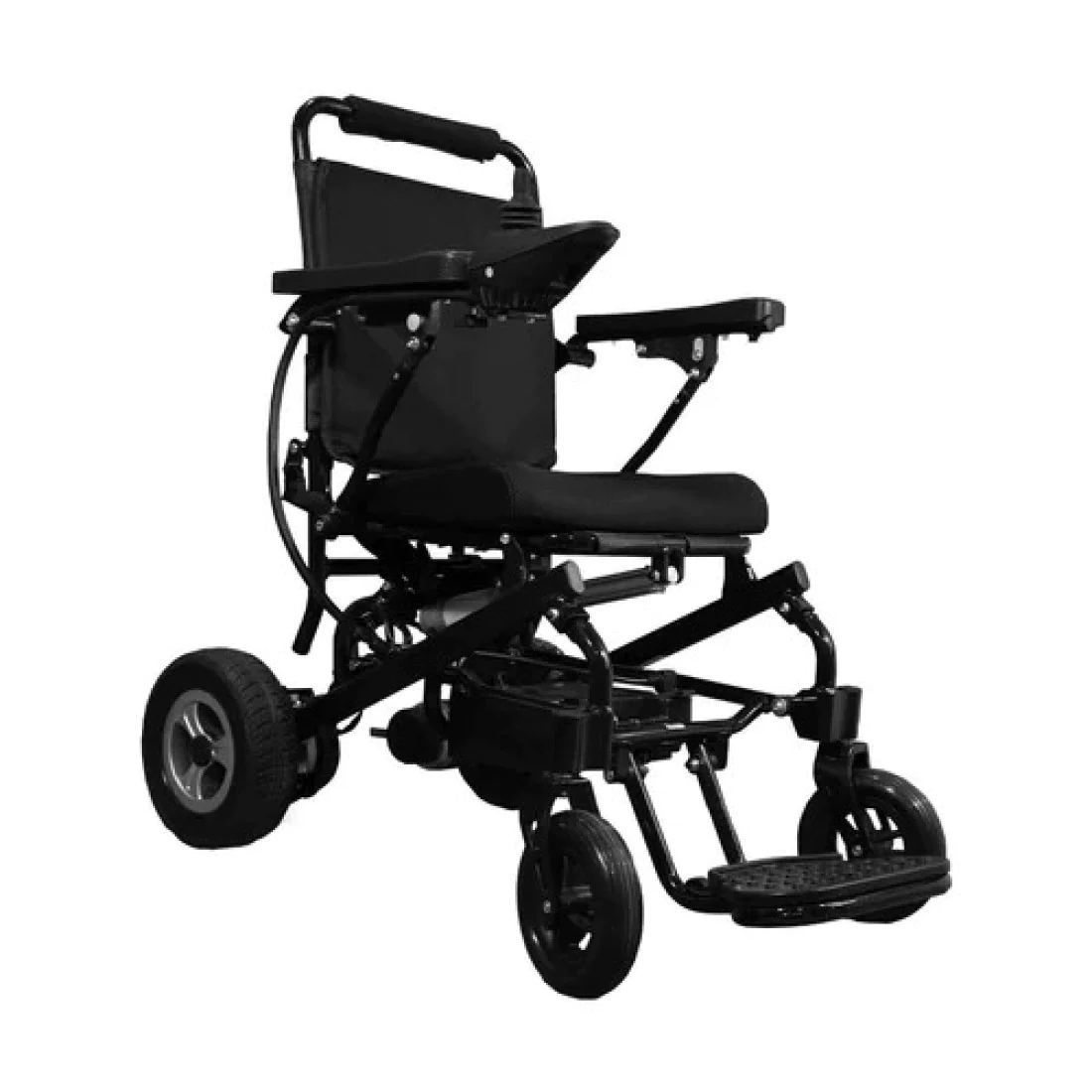
Not Applicable/-
3,500/-

2,500/-
Parkinson disease care at home is a structured home healthcare program where trained caregivers, nurses, and therapists visit the patient's residence to manage symptoms of Parkinson's disease. It includes assistance with daily activities, medication management, physiotherapy, speech therapy, and fall prevention - all delivered in the comfort of the patient's home to reduce hospital visits and maintain quality of life.
Zorgers Home Healthcare provides a comprehensive range of services for Parkinson patients at home including: trained Parkinson caregivers for daily assistance, physiotherapy at home for gait training and balance exercises, nursing care for medication administration and vitals monitoring, speech and swallowing therapy, night care and 24-hour care, occupational therapy for daily living skills, and rental of mobility aids such as walkers, grab bars, and wheelchairs.
A trained Parkinson caregiver at home helps with bathing, dressing, grooming, and personal hygiene; assists with safe mobility and fall prevention; manages meal preparation for swallowing-safe diets; administers medications on schedule; monitors for symptom changes and freezing episodes; provides companionship and emotional support; and coordinates with the treating neurologist or specialist for care continuity.
Yes, physiotherapy is one of the most effective interventions for Parkinson disease. At-home physiotherapy for Parkinson patients includes LSVT BIG exercises to improve movement amplitude, gait training with visual cues to reduce freezing, balance and coordination exercises to prevent falls, muscle strengthening, and flexibility routines. Zorgers provides certified physiotherapists experienced in neurological conditions who visit at home.
Home care is beneficial at all stages of Parkinson disease. Stage 1-2 patients benefit from physiotherapy and occupational therapy to maintain independence. Stage 3 patients need caregiver assistance for balance and daily tasks. Stage 4-5 patients require full-time nursing or attendant care, assistance with all daily activities, fall prevention, and often specialized equipment. Early intervention with home care at Stage 2 significantly slows functional decline.
Yes, Zorgers provides LSVT LOUD-based speech therapy at home for Parkinson patients. This addresses common Parkinson speech symptoms such as soft voice (hypophonia), slurred speech, rapid speech, and difficulty swallowing (dysphagia). Home-based speech therapy is especially beneficial for patients who find it difficult to travel to a clinic.
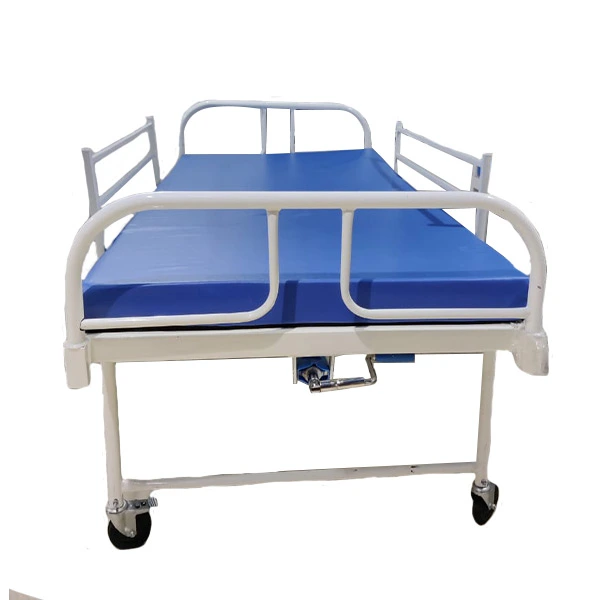
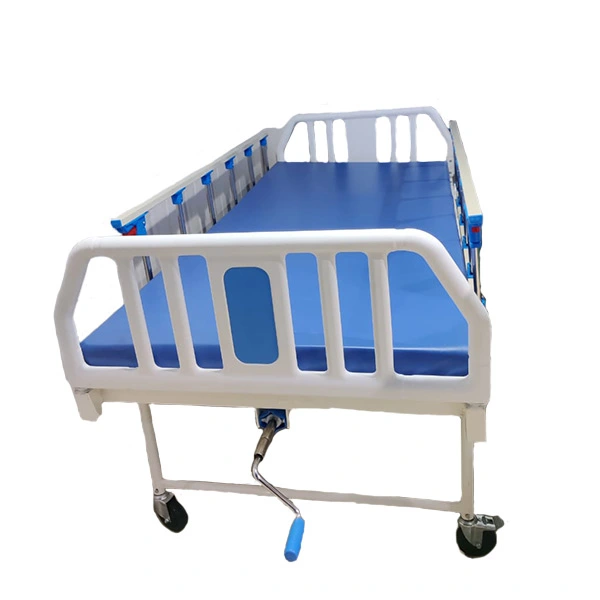
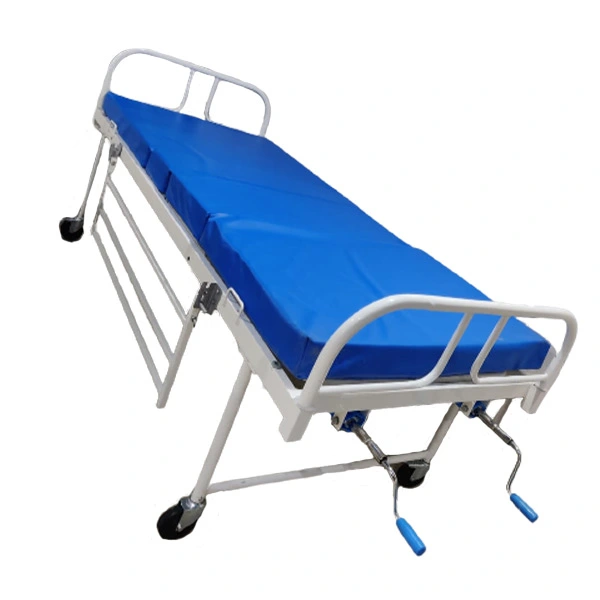
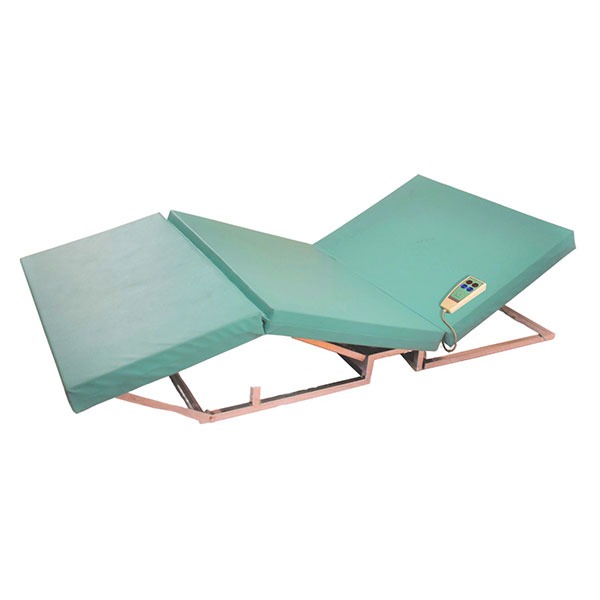
Parkinson patients at home commonly need: wheeled walkers or rollators for safe mobility, grab bars and handrails in bathrooms and corridors, non-slip mats and bath chairs, weighted utensils and adaptive cutlery for tremor management, hospital or profiling beds for ease of getting up, button hooks and dressing aids, and voice-amplifying devices for speech difficulties. Zorgers provides rental and purchase of all major mobility and assistive equipment.
The cost of Parkinson home care at Zorgers depends on the level of care required. Caregiver/attendant services start from approximately Rs 700-900 per day for 12-hour shifts. Nursing care and specialized Parkinson care plans are priced based on assessment. Physiotherapy home visits are available from Rs 600-900 per session. Contact Zorgers at +91-73470-03704 for a free assessment and personalized care plan quote.
Booking a Parkinson caregiver at home through Zorgers is simple. Call us at +91-73470-03704 or fill in the enquiry form on this page. Our care coordinator will contact you within 2 hours for a free needs assessment. We match you with a trained and verified Parkinson caregiver and can arrange deployment within 24-48 hours. We currently serve Chandigarh, Mohali, Panchkula, Delhi, Gurugram, Noida, Ludhiana, Jalandhar, Patiala, and Ambala.
Managing Parkinson disease at home involves: following a consistent daily routine for medication timing, exercise, and meals; doing physiotherapy and LSVT BIG/LOUD exercises as prescribed; ensuring the home environment is fall-proof with grab bars, non-slip mats, and clear walkways; using assistive devices for daily tasks; maintaining a symptom diary to share with the neurologist; ensuring adequate sleep and nutrition; and having a trained caregiver or family member present to monitor for freezing episodes or falls. Zorgers care managers support families with guidance and trained caregivers.